B.S. in Physics
Overview
Physics is the study of energy and matter, particularly how they interact. Biola's physics major prepares one for graduate school and for a career in a technology-oriented business, industry or government agency.
In addition to its strong curriculum, expert faculty members and biblical integration, Biola’s physics program — housed in the Biola.io Tech Division — offers several key advantages:
- Our small classes and shared faith provide an opportunity for close interaction with faculty and encourage close bonds with other students.
- The major is challenging but offers more than just a sense of accomplishment, as it furnishes students with practical technical skills in addition to theoretical competency.
- The subject matter prepares students for careers in a number of technical disciplines that are projected to be of increasing importance and prevalence, including energy and computers.
- Biola’s location in Southern California — one of the world’s largest and most diverse metropolitan areas — is ideal for internships and opportunities to work in local industry.
- Well-equipped laboratories and instrumentations at the Lim Center offer hands-on experience and opportunities to put your learning into action.
- Be mentored by expert faculty who integrate their Christian faith into their lives as researchers, teachers and ministers in local or global communities. Students have opportunities to be involved in directed research with faculty, participate in presentations at various conferences and co-author peer-reviewed journal articles. Learn more about our faculty and student research.
Concentrations
- BiophysicsThe biophysics concentration focuses on the chemical and molecular basis of biological systems, emphasizing cellular and molecular biology, biochemistry and chemistry. Students gain foundational laboratory and analytical skills and are prepared for advanced study or careers in biomedical research, biotechnology, chemistry and health-related professions.
- Quantum ComputingThe quantum computing concentration emphasizes computational thinking and quantitative problem-solving through core coursework in computer science, algorithms, discrete mathematics and scientific computing. Students develop skills in programming, data structures, algorithm design and computational methods applied to science and engineering, preparing them for advanced study or careers in computing, engineering and technical research fields.
Yes! Tell Me More!
Courses
What will I study as a physics major?
Physics is a broad discipline covering mechanics, thermodynamics, electromagnetic fields and waves, electronics, optics, relativity, quantum mechanics, and astrophysics. Physics majors are highly sought after in industry because of their math, computer, and problem-solving skills. Graduate programs in physics or applied physics are an option for those who want to pursue a career in research or higher education.
Some of your courses include:
Classical Mechanics (PHSC 318)
Introduction to Quantum Mechanics (PHSC 412)
Mathematical Methods in Physics (PHSC 336)
Capstone Seminar (PHSC 460)
Directed Research (PHSC 490)
Research experience in a field of the student's interest. Designed for students working closely with faculty. Note(s): Special approval required; may be taken for a total of 6 credits. Grade Mode: A.
Bible and Theology Coursework
As part of Biola’s commitment to a biblically centered education, most undergraduate students complete 30 credits of biblical and theological studies as a part of their degree program. Learn more about our Bible and theology core.
Career Outlook and Preparation
What can you do with a Bachelor of Science in Physics?
The career potential for a physics major is varied and exciting. Recent graduates of the program have gone on to graduate work in physics, astrophysics, materials science and geophysics. Other graduates work for oil companies, government agencies, aerospace, the electronics industry and education.
7% job growth
According to the Bureau of Labor Statistics, job growth for physicists and astronomers is projected to be faster than average between 2023 and 2033.
BLS projections are not specific to Biola University students or graduates.
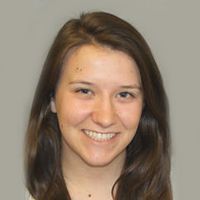
I've developed very close relationships with professors and fellow students in the department while learning so much about how beautifully God has created the physical universe.
Admissions
Admissions Process
Learn about Biola’s admissions requirements, steps to apply, application deadlines and more at our Undergraduate Admissions page.
Program-Specific Admissions Requirements
Students will be required to take a chemistry placement exam.
Schedule a Visit
Learn more about this program by attending an upcoming event for prospective students and parents, or by scheduling a personalized visit.
Tuition and Financial Aid
Attaining a degree from Biola is more affordable than you might think — dramatically lower than the “sticker price” in most cases — with 100% of incoming undergraduate students receiving some form of financial aid.