Biola University


The Story Behind the Work
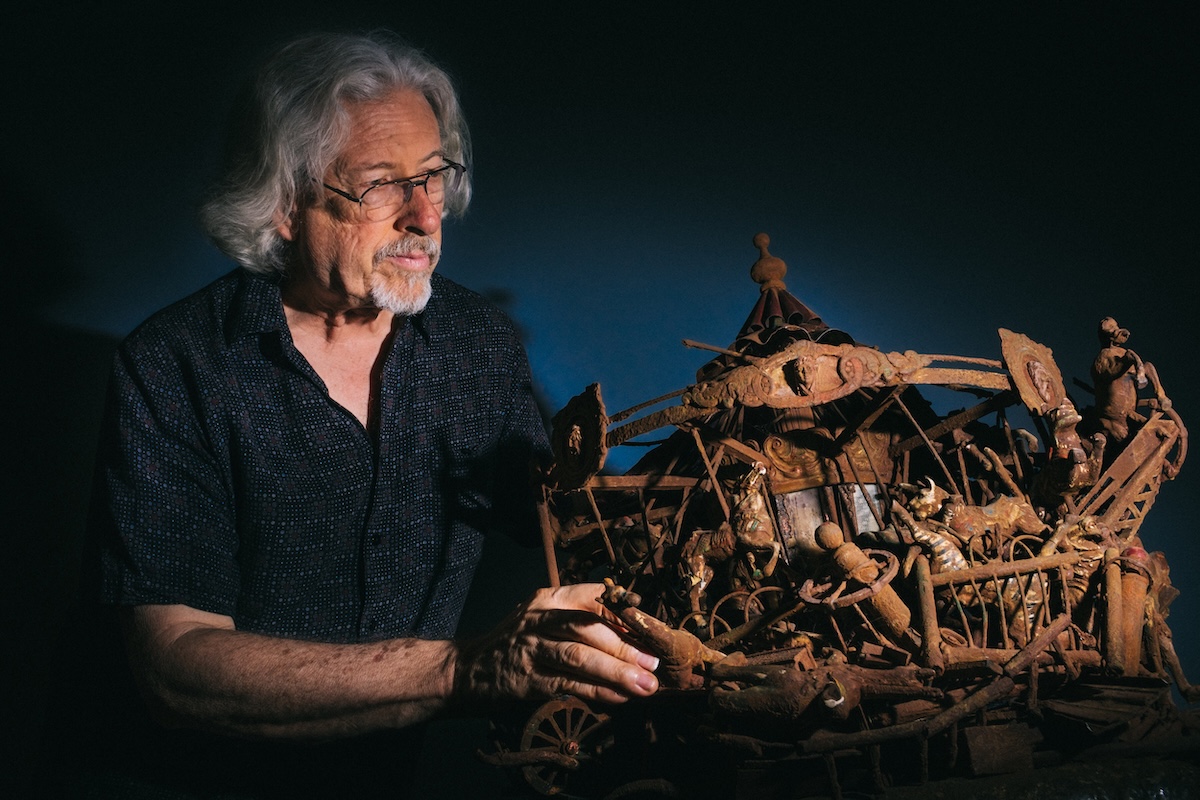
Of Strongholds is an assemblage piece by artist Barry Krammes from his The Morality Theatre Project series, which presents the culmination of a studio project spanning seventeen years. This sustained investigation takes its form as a series of assemblage sculptures depicting narrative scenes — reminiscent of miniature theatre sets. The objects and figures that populate these scenes have been gathered from flea markets and dumpsters, estate sales, and antique shops; they have been found, bought, made, and gifted. Each piece has been selected and prepared by the artist for its new role, but each still bears the marks of its unique history. The densely packed works are loaded with visual and historical associations that activate the imagination. Referencing medieval miracles and morality drama steeped in allegory, Krammes opens the doors to a "Theatre of Struggle" filled with wonders and nightmares. In this layered world of ambiguity and mystery, viewers must grapple with open-ended narratives that ask difficult questions. A palpable spirit of longing permeates Krammes' work as he invites participants to ponder the things that matter most.
Krammes wrote about Of Strongholds, “I drew inspiration from C.S. Lewis’ evocative tale, The Great Divorce, a story that takes readers on a fantastical bus ride from hell to heaven. Along the way, the narrator encounters a series of fellow ghosts with a variety of problems. One ghost in particular garnered my attention because a nasty lizard of lust seemed permanently attached to his body. When I happened upon a taxidermied lizard at a flea market, I knew I was ready to construct the piece of art you are looking at now.
“Two figures with “creatures” on their backs huddle motionless in a vast wilderness of weather. One holds a useless umbrella as they wait in silence. I refer to my artistic process as an open-ended narrative, that is, the viewer must participate by bringing his/her own storied meaning to my art for it to be its most potent. I often ask viewers, “What do you notice or what do you think is going on?” Are these hapless men in their overwhelming suffering about to be taken out by the enemy, or are they in a state of perpetual limbo, or is God about to intervene in their lives?” (from the Biola Lent Project, March 7, 2022). Krammes asks viewers to sit with uncertainty and hope as they contemplate the miniature scene frozen before them and imagine what might happen next.