Biola University
What’s a business for? Why is there skepticism about business among younger generations today? What do we say to the notion that business is based on greed, that it creates consumerism and contributes to growing economic inequality? We’ll answer these questions and more with our guest Dr. Jim Otteson, professor of business ethics at Notre Dame.
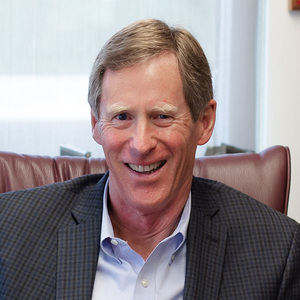
James R. Otteson is the John T. Ryan Jr. Professor of Business Ethics in the Mendoza College of Business at the University of Notre Dame. He is also a concurrent Professor of Political Science. Among his recent books are Honorable Business (Oxford, 2019), Seven Deadly Economic Sins (Cambridge, 2021), and Should Wealth Be Redistributed? A Debate (with Steven McMullen; Routledge, 2023).
Episode Transcript
Scott Rae: [upbeat music] What's a business for? And why is there skepticism about business among younger generations today? And what do we say to the notion that business is based on greed, it creates consumerism, and contributes to growing economic inequality? We'll answer these questions and more with our guest, Dr. Jim Otteson, Professor of Business Ethics at Notre Dame. I'm your host, Scott Rae, and this is Think Biblically from Talbot School of Theology at Biola University. Jim, welcome. Really great to have you with us. Appreciate you taking the time to do this.
Jim Otteson: Thank you very much. It's my pleasure to be with you.
Scott Rae: All right, so what do you... Why do you think there is such skepticism about business being a force for good in the world today, especially among younger generations? This seems to be especially true, or the perception is especially true of entrepreneurs-
Jim Otteson: Mm-hmm
Scott Rae: ... Who are widely seen as one to create a product, get in, make a bag of money, and get out and do something else.
Jim Otteson: It's a good question, and it's a perennial question. It's one that keeps coming back and coming up. And I think, to be fair, you know, there are entrepreneurs and business people for whom that is the motivation. They wanna get in, make their quick buck, and get out. And I think that's always been the case. But I think there's more to the reason why so many people are, especially young people, as you say, are skeptical of business and skeptical of, a search for profit in business. I think there's more to it than just the existence of some people who wanna make a quick buck. Part of the reason, I think, is that for many young people, especially, you know, they, live in a world, we live in a time when there's more wealth in the world total than there has ever been in human history. And I think a lot of people enjoy such a level of wealth, especially when you think of it in a historical context, that they don't realize how bad things were before, how poor people were before, and it has afforded them a certain kind of luxury, and the luxury is they don't have to think very hard about what are the institutions required to enable people to create the goods and services that we enjoy. And so part of that leads to, I think, a sort of zero-sum view of the world. And a zero-sum view of the world is when, is the idea that is appropriate in some contexts. So if the Yankees are playing the Red Sox in baseball, well, one team wins and the other one loses. So you can't have a situation where both of them win. And that's true in many games and other kinds of, scenarios, but in, a market economy, you can and should have a s- a transaction exchange in which both sides profit, both sides benefit. And I think a lot of people don't see that. They think that if you're successful in business, or if any person is successful in business, it will have come at the expense of someone else, rather than benefiting yourself by benefiting, or at the same time as benefiting someone else.
Scott Rae: All right. That, that's really helpful, and I can see that the, it's a, the entrepreneurs tend to be the ones who have, seem to have a target on their back most often.
Jim Otteson: Yeah.
Scott Rae: Yet, I think people don't see that how hard entrepreneurs work- [chuckles]
Jim Otteson: [chuckles] Yeah
Scott Rae: ... For often for many years, and how, and what a high percentage of entrepreneurial enterprises actually fail.
Jim Otteson: I think that's exactly right, and, people d- people don't see that. You see the one or two successes, you don't see the hundreds, maybe thousands of failures. You know, something interesting, other, something else that's interesting to note in this context is, a little while ago, a Nobel Prize-winning economist named Nordhaus, William Nordhaus, tried to estimate, what proportion of the value that entrepreneurs create in the world do they themselves capture? So if you have a successful idea, you come up with an innovation, you introduce it to the market, people like it, and you know... Think of a Steve Jobs or maybe today-
Scott Rae: Mm-hmm
Jim Otteson: ... An Elon Musk or something. What proportion of the total amount of value that's created do they themselves get? And looking at it over a series of decades, he estimated that it was just two point two percent.
Scott Rae: Really?
Jim Otteson: Yes.
Scott Rae: That, that low?
Jim Otteson: That low. So the other ninety-seven point eight percent goes to the rest of us. We enjoy it. So if you think about, you know, you might think, "Well, gosh, Steve Jobs was certainly worth a lot of money when he died." but whatever that number was, that only represents two point two percent of the total value he created for the world, and the rest of us are the beneficiaries of that. But we don't see it, we don't realize it. We see the two point two percent concentrated in one person. You don't see the millions, hundreds of millions, maybe billions of people who benefit from iPhones or Apple products or from Tesla vehicles or something like that. We don't see it. We don't realize it. We just see that little bit concentrated. And I think that's part of the reason why people think, "Well, you know, why do they have so much?" Well, the other side of that equation is, well, how much are the rest of us benefiting from it?
Scott Rae: Yeah, the, and in fact, the wealth that they've created-
Jim Otteson: Exactly
Scott Rae: ... For other people.
Jim Otteson: Exactly.
Scott Rae: I mean, how many... We- the term we've just- we've used, heard, for many years is the Microsoft millionaires.
Jim Otteson: Oh, yes.
Scott Rae: Now, how many-
Jim Otteson: How many of them are, became millions?
Scott Rae: Have been spawned-
Jim Otteson: Yes
Scott Rae: ... Just by, you know, that initial effort, from Bill Gates and Steve Ballmer and a hand, a small handful of others-
Jim Otteson: Right
Scott Rae: ... That just created, have created so much value. And I think you're, you're right about the zero-sum arrangement. The size of the pie is not fixed.
Jim Otteson: No, [chuckles] it, we want it to grow, and it does grow.
Scott Rae: In fact, I would, I would argue that anytime somebody makes a profit, wealth is created, and the size of the pie actually grows.
Jim Otteson: Exactly. And in fact, we, that's what we've seen. You know, before around 1800 or so, for all of human history before that, there was effectively no, very little wealth in the world. Human beings lived on something like two or three dollars per person per day, which is, in contemporary dollars, which is not a lot. I mean, imagine trying to live on three dollars a day for everything: food, clothing, shelter, sending your kids to college, everything. But that was the, that was the standard. That was the common standard throughout human history, and it's only in the last couple hundred years that-... Things have changed, and now risen to a level where, the vast majority, not everybody, but the vast majority, you know, over seven billion of the eight billion people on the planet are above that level now. Now, they're not at the same level, so just about everybody's increasing, not to the same extent, not to the same level. But the prosperity, the positive sum prosperity that you're talking about, has, generated tremendous benefits that, again, I think people don't realize. They think it's always been like this.
Scott Rae: That's right.
Jim Otteson: It hasn't always been like this.
Scott Rae: So here, in, maybe this is true in your business school at Notre Dame, but in my experience, in most business schools, the answer to the question, "What's a business for?" ... Is seen as almost self-evident, and simply to maximize shareholder wealth. How would, how would you answer that question: What's a business for?
Jim Otteson: G- thank you for asking me that. So, I have a different view about that. So, you know, maximizing shareholder wealth or increasing shareholder wealth, or maybe more generally, seeking profit, I see those not as the goal, but as tools to reach the goals. These are indicators, measurements. Of all the things you could do, you start a business, and there are, you know, indefinitely many things you could do. You have some s- you have scarce resources of time, of money, of, talent. Where do you allocate it? Where do you put, and where do you put your resources towards? There are lots of decisions to be made. How do you know you're making the right decision, that this is the best use of my time or our time, or the best use of our resources? Well, profit or increasing, shareholder wealth, or just getting shareholders, so and getting investment, capital being invested in you, are indicators that you're doing something right. That... And what I'm, when I mean-- when I say you're doing something right, what that indicates, it's not a perfect indicator, but it gives you a signal that what you're doing is providing some value to somebody else. Because if somebody's investing in you, that means they think there's, there's some value there. So those are good indicators. They're good signals. But what I would say is those themselves aren't the purpose of what you're doing. The purpose of what you're doing is to create some good in the world. So what's a business for? Well, bus- you know, there are lots of... There are thirty million businesses in the United States. They do a lot of different things. They're creating different products. They're creating different services. Many of them, maybe most of them, are looking to solve some kind of problem that human beings face or to alleviate some stress or v- you know, some suffering in some way or rather make people's lives even marginally better off. But I would say that that value or that good of creating some benefit in human beings' lives, that's the purpose of business. Making a profit, creating a return for shareholders, those are good indicators, and they're great things to be able to do, but they aren't themselves the purpose. They are the tools that enable you to serve the other, the final purpose, which is actually creating some benefit in people's lives.
Scott Rae: Yeah. Now, you use the term honorable business-
Jim Otteson: I do, yes
Scott Rae: ... To describe, I think, the alloc- ultimately, how we allocate those re- those resources. And I think the way you just described it, profit is an indicator, that you are being efficient-
Jim Otteson: Mm-hmm
Scott Rae: ... But not necessarily being effective.
Jim Otteson: Oh, mm-hmm.
Scott Rae: And so I wanna, I wanna make that distinction, and it seems to me you use the term honorable business to distinguish between those two things.
Jim Otteson: Yeah. Yeah.
Scott Rae: What, what do you mean by the term?
Jim Otteson: Yeah, so, you know, the term arose from this common, idea that people say, and we hear all the time, that businesses or business people should give back to society. So that's a very commonly used phrase. I'm sure you've heard it. You should give back.
Scott Rae: It drives me nuts, actually. [chuckles]
Jim Otteson: Okay, well, you know, and business people themselves often use that term, too.
Scott Rae: Mm-hmm.
Jim Otteson: They say, "Oh, I'm gonna give back," and at least some of, you know, business students will say, or, you know, I hear them say things like, "Well, I'm gonna go into, say, private equity, and I'm gonna make my millions, and then, and then at some point, when I turn fifty or whatever, I'm gonna-- then I'm gonna give back to society." but that phrase, "give back," is an interesting phrase. You, you... People don't say... Contrast it with people, with the phrase "give." People don't say that businesses should give or business people should give. They say they should give back, as if you did something wrong, and you now-
Scott Rae: That's right
Jim Otteson: ... Need to atone for it, like it's a sin. You know, so is it the case that people who say you should give back, are they thinking that, well, if you were successful in business, I may not know exactly what you did wrong, but I'm pretty sure you did something wrong, so you're gonna have to atone for it? And I think the answer is yes. A lot of people do think that. But when I talk of it, about honorable business, what I mean by that is business that you engage in that has value in itself, that's creating something good in itself, that you don't need to atone for or make up for later, that, yes, can benefit you, as, and your family, and the people you care about, but at the same time, simultaneously, is creating genuine value, what you think really is improving the lives of other people at the same time. If you're engaging in business in such a way that you are creating value, not just genuine value, not just for yourself, but for others at the same time, I think that's honorable.
Scott Rae: Yeah, now, I think we could probably qualify the term creating value a bit-
Jim Otteson: Mm-hmm
Scott Rae: ... Because, pornography actually is- ... You know, one of the most profitable industries on the planet.
Jim Otteson: Yes.
Scott Rae: Yet I would argue that they're not, [clears throat] that they're not really creating value.
Jim Otteson: They're generating a profit-
Scott Rae: They're generating a profit
Jim Otteson: ... But that doesn't mean they're, they're creating value. Yeah, so, I would emphasize this term, and I was a bit vague about it, genuine value. What I mean by that is, value that you, in your heart of hearts, that you honestly believe is making another person's life better.... Now there are big ways to do that, and there are small ways to do that.
Scott Rae: Mm-hmm.
Jim Otteson: There may be indefinitely many ways to do that, but there are some ways that clearly are not doing that. And I would put pornography in that category. So yes, that's a way to generate profit, but that's not a way to improve people's lives. So I would say, you know, and this is sort of a challenge I would give, I give to my students, or I give to business people or future business people, if you're engaging in business, even if it's mutually voluntary, so, you know, only adult, consenting adults are involved-
Scott Rae: Mm-hmm.
Jim Otteson: Yes, of course, that's necessary.
Scott Rae: Right.
Jim Otteson: But that's not the end of the question. [chuckles] You know, that's not the end of the conversation. The next part of the conver- I mean, that's necessary, but then the next question is, are you actually improving people's lives? And there are many ways you could make a profit without actually improving people's lives, and I think that's where an honorable businessperson would say, would, should be faced, you know, look themselves in the mirror and say, "You know, maybe there are some things where I say, 'No, I'm not going to do that.' Even if I could make a profit, maybe even more profit than I could make in some other way, that's not, that's not benefiting human beings. That's not enabling them to realize their virtue and flourishing as-
Scott Rae: Mm-hmm
Jim Otteson: ... Human creatures." And if you're not doing that, then I think you need to rethink what you're doing.
Scott Rae: Yeah, we try to take that maybe a step further theologically, and to say that an honest profit or an honorable business is one that it's actually fulfilling the dominion mandate from Genesis 1.
Jim Otteson: Oh, yeah.
Scott Rae: That, uh-
Jim Otteson: Mm-hmm
Scott Rae: ... That God gave, and I, and I think, I think it's fair to say that throughout the Scriptures, God gave- God has given human beings the ability to unlock what God has embedded into creation-
Jim Otteson: Right
Scott Rae: ... And for the benefit of the common good. And you-
Jim Otteson: Right
Scott Rae: ... You reap, you reap a personal benefit from that as well. And then there's nowhere in the Scripture that I see that where anybody said there's something wrong with that. The greed and self-interest are not the same thing.
Jim Otteson: Yeah, no, and, on the contrary, I think, I think the idea of human beings being creators, you know, they are created in the image and likeness of God-
Scott Rae: Yes
Jim Otteson: ... As creators. God was a creator, we are, too. God has given us materials with which to create, and the way I think of it is, you know, we, each of us, as created in the image and likeness of God, each of us created uniquely, you know, we are unrepeatable souls. That means that there is some special and unique role that we, that each of us can individually play in the unfolding of God's providence. And so part of our calling is to figure out what that is and then do it. And, creation, in one way, there are many ways to create, but creation in business is one way to do that. So I don't think there's any- not only is there not anything wrong with that, I think that's, for many people, that's what you're called to do.
Scott Rae: That's right. And I- yeah, and I think it's fair to say that, even God Himself exhibited entrepreneurial traits- [chuckles]
Jim Otteson: Oh, interesting, yeah
Scott Rae: ... In creation, because it was, it was initiative, and creativity, and innovation, and embedding His wisdom into the world-
Jim Otteson: Yeah
Scott Rae: ... And allowing, giving human beings the ability to unlock all of that. Now, you- let's be a little more specific here.
Jim Otteson: Mm-hmm.
Scott Rae: What, what are the various goods, in a, in a general sense, that business does? And I'm, and I'm, I'm particularly interested in how Christian faith might inform the goods that business does.
Jim Otteson: Well, I think that the moral North Star for human beings generally, but also for people engaging in or interacting with business, is human dignity. So if you assume, or if you believe, as I do, that human beings are created in the image and likeness of God, they have a dignity as they are moral agents. They are free and responsible moral agents, and that marks them out as being different from every other creature on Earth. There's n- maybe every other creature in the universe, there's no creature like that. So the first step of anything is, respecting the moral agency of human beings, which is respecting their dignity. So what's the good that business can do? I see it in two different categories. One is the goods, with an S-
Scott Rae: Mm-hmm
Jim Otteson: ... The goods and services we can create. So what are the things that I, that business or business people, firms, can make or do that improve human beings' lives? So makes things easier, gives them, gives them an opportunity to free their attention up so they can do o- they can, spend time and resources doing yet other things. So if you're, you know, providing food, clothing, and shelter, they can turn their attention to other things. So the actual m- goods and services are w- is one category, but the other category, I think that, goes back to the question, or the discussion we d- had just a minute ago, which is the unfolding and flourishing of each of our individual souls. So I think each of us has a unique package of abilities, talents, skills, personalities, and we're all in our different circumstances as well. Part of figuring out what my role m- is in the unfolding of God's providence is using that, you know, exploring, developing, and using those skills and abilities to the best that I can, and business actually can summon those bill- those abilities and skills. So it can train you in things like paying attention to what other people need, paying attention to other people's wants and abilities and their situation, being... And then also, things we tend not to think about very much, like, being, diligent, working hard, being on time. These are virtues, maybe, you know, small V virtues, frugality. You know, all of these things that business trains us in, I think these are translatable into not just developing our character, but also being good people to others, and enabling us to have good relations with other people.
Scott Rae: Well, and I'd ri- I'd rather hire those kind of people than-
Jim Otteson: Oh, yeah
Scott Rae: ... Than the opposite. [chuckles]
Jim Otteson: Absolutely.
Scott Rae: Yeah.
Jim Otteson: Right.
Scott Rae: That's why we tell our business students that, if you- we would rather hire people who are, who represent the fruit of the Spirit- ... As opposed to the deeds of the flesh.
Jim Otteson: Yeah, that's very nicely put.
Scott Rae: In fact, those are the, those are the toxic people that we want to keep out of our organizations- [chuckles]
Jim Otteson: Yeah
Scott Rae: ... As best we can. Now, how do you address the objection to business often that it's based on greed? Because I think we- I think we rightly assume that greed's a vice.
Jim Otteson: It is a vice, yes.
Scott Rae: And if-... If the, if the premise, if it's, if the premise is true, that business is based on greed, or market system is based on greed, then it's not hard to draw the conclusion that so- there's something morally wrong with this picture.
Jim Otteson: Yeah.
Scott Rae: So how would you respond to that?
Jim Otteson: Yeah, I would say if that were true, that business was based on greed, that would be an indictment of it. And greed, yes, it's one of the seven deadly sins, so, it i-- and for a reason. We all seem to be susceptible to it. Just when we, you know, if we think we've mastered it in one area, we find we're indulging it in other areas. What I would say is not that business is based on greed, but that business is an arena in which greedy people can act, or when which greed can come to the fore. So but I would say that's not true only in business. That's throughout human life. You can imagine a greedy friend or a greedy coworker or a greedy colleague. So we can be greedy in many different ways. What business, I would say, does, properly speaking, and maybe here I would say, you know, honorable business, what this does summon from us is the idea that we shouldn't be spending time thinking only about ourselves, and in fact, success in a market economy almost demands that you think not only about yourself, but you're thinking about everybody else. To go back to your, what, your point about entrepreneurs, you know, what is an entrepreneur thinking about? You know, what keeps an entrepreneur up at night? Well, it's your employees, and your, and your suppliers, and the people you work with, and your customers and potential customers. It's a million people other than yourself, and if you're thinking only about yourself, well, you're gonna go out of business in a New York minute. [chuckles] So you have... So success in business can, in a market economy, actually encourage you, maybe even despite yourself, I mean, we are fallen creatures, and we will still have those temptations, but to spend a lot of serious time thinking about other people, and so in that way, it can actually summon some good aspects and combat some of the things like greed, that we might be susceptible to just because of our fallen nature.
Scott Rae: No, that's a really good observation 'cause it sounds like you're suggesting that workplace interactions both require and nurture a lo- a lot of really important virtues.
Jim Otteson: I think they do, and I think it's underestimated to... The ex- I mean, look, when you, when you think about, you know, in business ethics, if you teach business ethics, you know, a lot of business ethics classes are sort of a series of, you know, of bad actors, kind of a murderer's-
Scott Rae: [chuckles]
Jim Otteson: ... Row of bad actors. You look at case studies of, you know, Enron, and weren't those guys bad? They were terrible, and Bernie Madoff, and he was terrible, and you sort of go through this list of people. But, yes, they, you know, they bad, they did bad things, but there are bad actors in all walks of human life, not only in business. And, you know, when we focus on those couple of examples, what we forget are the literally millions of other examples of people engaging in honorable business, actually to-
Scott Rae: Mm-hmm
Jim Otteson: ... Trying to do the right, the best thing, the right thing by their employees, by their customers, by their partners, while also benefiting themselves, and we just overlook it because these, you know, bad examples loom so large in people's minds, and they think that's representative of business, j- more generally, and those are really exceptions.
Scott Rae: The, the, I have not seen any textbook on, case studies on honorable business. [chuckles]
Jim Otteson: [chuckles] Not yet. Maybe there's an opportunity there.
Scott Rae: Well, I would, I would think. Now, I think there's another, common objection to business-
Jim Otteson: Mm-hmm
Scott Rae: ... And that is that it promotes consumerism and materialism-
Jim Otteson: Yeah
Scott Rae: ... And, you know, things that are, at the end of the day, corrosive to our souls.
Jim Otteson: Yeah. Yeah, that is a common objection, and I think there's some weight to that. You know, what I would say is, you know, maybe I... You, you can hedge that a little bit by saying, rather than promoting it enables it. I mean, one of the uncomfortable truths I would say about market economies is that they act like something like mirrors. They hold up mirrors to us. So, you know, in a market eco- and if you have a free economy, well, will there be products and services offered for sale and bought for, and employed, that are bad for people? Yeah, there are. Is it the market economy itself that created that? Well, maybe a different way to think about it is that what it's really doing is enabling people to do what they... To, to let the, [chuckles] what's going on inside them come out, and you're gonna see it. So, so are there, you know, are, is there vice, and are there various vices that you will see on, you know, on suppliers, and, you know, people are creating things and people buying things in market economies? Yes, absolutely, but I don't think that that's, necessarily reflective of the market itself. I think it's reflective of our fallen human nature and the ability that a market gives you to exhibit the flaws in our own nature.
Scott Rae: Now, that's a really a helpful analogy, to see markets as mirrors-
Jim Otteson: Yeah
Scott Rae: ... Of society's values. I've of- I've often wondered, what is it that enables markets to pay athletes and entertainers these outrageous-
Jim Otteson: [chuckles] Yeah
Scott Rae: ... Sums of money, and yet, you know, elementary school teachers, you know, arguably one of the most beneficial professions-
Jim Otteson: Yeah
Scott Rae: ... In our culture, get paid peanuts.
Jim Otteson: Yeah. I think it's a reflection of what people are choosing, and, you know, it's... And, I mean, you understand how, you know, supply and demand sets prices as well as anybody else. If people really value entertainment and ath- and athletes, well, then that's what you're going to get. I mean, there's also the part of it that, you know, there aren't very many people who can hit a small sphere hurdling-
Scott Rae: That's also true
Jim Otteson: ... Them at 95 miles per hour-
Scott Rae: That's also true
Jim Otteson: ... Or whatever. So, you know, there's a constraint on that side too. But I think that what you see in a market economy is a reflection of people, of human beings themselves, good and bad, warts and all.
Scott Rae: Yeah, that, I think that's a really helpful insight because people wanna blame markets when really what they need to be blaming are the people-
Jim Otteson: Right
Scott Rae: ... And the vices that come out.
Jim Otteson: Yeah.
Scott Rae: I mean, I think you're right. That's a good way to put it, too, that markets enable those vices to come out-
Jim Otteson: Right
Scott Rae: ... Or they provide an arena for that. Maybe, maybe to say that they promote consumerism and materialism is a little too strong. Um-
Jim Otteson: I think human beings themselves are susceptible to consumerism and materialism, and, you know, that's one of the ongoing challenges, for Christianity and, you know, for other traditions as well. But to-
Scott Rae: You, you mean there was, there was greed and materialism in socialism as well? [chuckles]
Jim Otteson: [chuckles] Yes, I think. Wherever there have been human beings, I think there's-
Scott Rae: Yeah
Jim Otteson: ... Been greed and materialism, right.
Scott Rae: Now, one other objection that here, I... This one I think is maybe a little bit more challenging to deal with-
Jim Otteson: Mm-hmm
Scott Rae: ... And that is that business and market economies in particular, exacerbate economic inequality.
Jim Otteson: Oh, yeah.
Scott Rae: And, and then I think there's... I mean, you raised a point earlier that for most of human history, everybody's been equal.
Jim Otteson: Yeah.
Scott Rae: You know, and I-
Jim Otteson: Equally poor. [chuckles]
Scott Rae: Equally poor, wretched, [chuckles] and miserable.
Jim Otteson: Right, right.
Scott Rae: And the, you know, the majority of wealth was not, it was not by the 1%, but maybe the 0.000001%.
Jim Otteson: Right. Right.
Scott Rae: But, you know, when markets came along-... All of a sudden, we talked about inequality.
Jim Otteson: Yeah.
Scott Rae: And so how do you address that? That's a, that seems to be, to be a little bit more of a challenging objection.
Jim Otteson: It is a challenging objection, and it's a, it's a perennial one. So, you know, I think it speaks to something deep in the human heart. And before, you know, I would, I think, you know, anybody might just dismiss that, you know, there is a, I think, a serious question to ask: Well, if we were all created in the image and likeness of God, then there is... You know, we were all equally created, and so, you know, how could it be the case that one person could be worth a thousand times or more, that as much as somebody else, how is that reflective of our equal human dignity? So I think that is a real question. Empirically speaking, what it looks like in our fallen world, in our imperfect and fallen world-
Scott Rae: Mm-hmm
Jim Otteson: ... What it looks like is that, you know, for the first time in human history, some people began to, in some places, began to figure out how to enable people to rise out of that long, low, historical norm of poverty. As they did so, they began to rise out, then other places began to emulate that, and then later on, they began. And so in fits and starts, different places start. This, you know, started maybe in Northwest Europe, and then it sort of spread to some other places. Now, you bring that from 1800 or so to the 21st century now, what do you see? Well, you see the places that first began rising out of it have risen quite high. And then you have other places that aren't that, to that level yet, but substantially every place on Earth today is increasing in prosperity, but they haven't yet reached the same levels and not at the same rates. So I think the que- the question I would leave, you or, you know, your listeners to think about is: Suppose you could get rid of one thing in the world, but only one thing. You could get rid of either poverty or inequality. Which would you choose? Which is the greater source of misery or a greater cause of misery or suffering in human life? Because I think that seems empirically to be, the actual position we face, because if we want to focus on poverty, people will rise out of poverty, but they will do so unequally. On the other hand, if we wanna focus on equality, it seems like we know how to make everybody relatively equal in wealth-
Scott Rae: [chuckles]
Jim Otteson: ... And they're gonna be equally poor. So which one matters more to you? And, you know, I won't, be coy about it. For me, poverty is a much greater, source of misery. So I guess what I would say, maybe this is the last part, last thing I'll say on this, on this topic, is, you know, we still have about 700 or even 800 million people on Earth who are living at that very low level, the historical level. Until everybody is above, all human beings are above that level, I would say the disparities between the people at the top and the people who are just leaving that level is of secondary concern. Doesn't mean it's of no concern, but I would say, let's focus on giving it, getting everybody out of poverty, and then once we do that, okay, then maybe we can turn our attention to some other things that worry us or that concern us about human relations, and maybe inequality will be one of them.
Scott Rae: So, it sounds like what you're suggesting is that the critics of markets and of business, on the basis of inequality, are actually shooting at the wrong target.
Jim Otteson: I think they often are, yeah. Let's get everybody out of poverty, and I think a lot of the people who are, who are most exercised and worried about inequality tend to be people, not always, but they tend to be people who are already pretty high on the, [chuckles] on the wealth level. So they're already enjoying, you know, the fruits of prior generations' work, and maybe they don't quite appreciate what's required to get people who are still at that historical level to come out and join them.
Scott Rae: Well, and I think we have to recognize, too, that, you know, people make choices-
Jim Otteson: Yeah, that's true
Scott Rae: ... Along the way.
Jim Otteson: Mm-hmm.
Scott Rae: I mean, sometimes people make poor choices that, you know, maybe they drop out of school, or they get in trouble with the law, or they have, you know, they have kids out of wedlock. Those seem to be sort of the big three that-
Jim Otteson: Mm-hmm
Scott Rae: ... Make it pretty, a lot tougher to get out of poverty. But then some pe- some people make other choices, like, you know, my kids are all artists of one sort or another. [chuckles] And they've, you know, they've made choices that have, you know, that have an impact on their income. But, we don't, we don't fault them for their choices.
Jim Otteson: Right.
Scott Rae: But we recognize that's, that those choices do have implications.
Jim Otteson: Right, they do have consequences, and you're right. I... You raise a good point that, you know, we don't wanna denigrate human moral agency. You know, if you're a free human being free, the ability to make free choices, means you're also responsible for those choices. And so in, a way we often don't think about it, and this is the point I think you're raising, is that it can show respect for human dignity and human agency to say, "Well, these are the choices your- you've made," and so when you make choices, you also assume you're, you're choosing the consequences of those choices-
Scott Rae: Mm-hmm
Jim Otteson: ... Often as well. And so I think a way, maybe an, you know, an unappreciated way of respecting human dignity is respecting those choices people make, too.
Scott Rae: Let me ask one, a c- a couple more final questions on this.
Jim Otteson: Sure.
Scott Rae: One thing I'm, I'm just curious about, w- in my, in my experience, a lot of businesspeople don't... They don't recognize or acknowledge the goods that business does.
Jim Otteson: Right.
Scott Rae: And I've often been curious as to, as to why that is, because if anybody would be, we would want to be apologist for the good that business does, it's actually businesspeople who are out there doing this day after day. Is that, is that... Have you had a similar experience of that, and if so, how do you account for their sort, their, I don't know, maybe that's their reluctance, to speak to the v- all these various goods that business does?
Jim Otteson: Yeah. No, I have seen that. And here's an analogy I would use. If you think about... Compare these two professions, medicine on the one hand and business on the other. In many ways, they're very similar. So, in both of them, there are... So they are both professions, and in both of them, there are specialties and subspecialties. In both of them, you need technical knowledge to be successful. Maybe you need a lot of years of experience before you're any good at what you do. And in both of them, you might make a lot of money. But consider how differently those two professions are viewed by the wider culture. You know, nobody says to the medical doctor or the surgeon, "Well, now you, that you've made your money, you need to give back to society." [chuckles]
Scott Rae: Yeah. [chuckles]
Jim Otteson: You know, they say that to businesspeople. And, you know, why is that exactly? What's the difference? Well, I think many people think that you can, that-... Medicine, in its activity, is creating value. Sometimes it's saving lives. It's not always directly saving lives, but improving lives in various ways. But they don't see that with business. They don't see that what you're doing on a day-to-day basis is improving people's lives. But-
Scott Rae: Yeah, it's a- it's actually enabling the physician to save lives like he or she does-
Jim Otteson: Yes. Yep
Scott Rae: ... So regularly.
Jim Otteson: And, you know, things like, you know, and I w- don't wanna bring it just to me, but where do universities come from? You know, where does the wealth that generates, u- buildings and endowments at universities that enable me to do what I do, ultimately, that's coming from business activity. So I think that the value that business creates, is so dispersed, and it's so sort of in the air, that people don't see it very much. And then when you combine that with what we started out with a zero-sum view of the world, where they think that if you're successful, it's coming at somebody else's expense, those things together, I think, can lead even business people to think, "Gosh, should I feel, should I be, feel guilty about being successful in business? It cer- sure is hard work. I work, I work really hard [chuckles] !" I mean, and running a business is, it is tremendously difficult, and, it takes a lot of work and dedication, and they, you know... But given this background cultural view, I think sometimes they can think, "Gosh, should I feel guilty about this?"
Scott Rae: Yeah, I had a, the, my longtime teaching partner in business ethics, was in the hospital not too long ago. And for, something moderately serious, he was in there for a few days, and w- the first night he was in there, in the middle of the night, the janitorial service comes in asking to clean the room. And he, you know, he has a good sense of this, and so he asked the janitorial person, he said: "Do you know, do you understand how important your work actually is?" And he said, "Do you know, if you didn't do your job well, this place would close, and no physician or nurse could do, could do anything about that."
Jim Otteson: Wow.
Scott Rae: And she'd, she had never thought about it, and was, I think, ta- a bit taken aback by the suggestion-
Jim Otteson: Not actually imagined that, yeah
Scott Rae: ... That may, that maybe her work actually really created goods, not just for herself, but for a whole host of other people who were, and ironically, totally dependent- [chuckles]
Jim Otteson: Yeah
Scott Rae: ... On her, on her doing her job well.
Jim Otteson: A-a- it, that's, Yeah, I, a-and I think we don't do a good enough job in recognizing and ag- acknowledging the humanity, and, A, the humanity in people like that, but also the economic necessity that they're playing. Without, jobs like that... You know, one of the things, and this is a bit of a pet peeve of mine, there is a view out there that if you don't go to college, well, you're a moral failure in some way, or your life is a failure. Holy cow, there are so many things that a functioning society needs that don't require, a college degree. I mean, for people for whom that's the right course, great. But there are a lot of people and a lot of jobs like these kinds of jobs, without which we would just immediately cease, and I think people have no idea about these sorts of things, and that's, to our discredit. We need to really think carefully about all the many roles that human beings can play, different roles, in up- upholding a flourishing society.
Scott Rae: Yeah. I would not wanna think about the flourishing of my family without plumbers or auto mechanics.
Jim Otteson: Yeah! Right, exactly. [chuckles] Exactly.
Scott Rae: That, that would be a fairly bleak thing to think about.
Jim Otteson: Sure would.
Scott Rae: All right, Jim, one final question here. This has been really insightful-
Jim Otteson: Oh, thank you.
Scott Rae: ... So I appreciate this. But what advice do you have to the Christian business person who is serious about seeing their faith impact their life in business?
Jim Otteson: It's a g- a good question, and, the, what I would say is, the first thing to do is to see the humanity in everybody you work with. So if you believe that you are created in the image and likeness of God, that all human beings are created in the image and likeness of God, that means that every person you deal with is sacred. Whatever role they play, there is a holiness and a sacredness about that person. And if you think about whatever you're doing, whatever industry you're in, or whatever your firm is doing, whatever role you play in the firm, as ultimately being to serve those sacred human beings and to lift them up and benefit them, then that's something I think you can feel as though... And I don't want to use a word like pride, because that can become a sin as well. But that's something that you can justifiably think, "Maybe I've found my calling, and I'm ultimately serving not just other human beings, but God, and God's providence."
Scott Rae: Yeah, and I, and I'd like to see the business owner actually see that about his or her-
Jim Otteson: Exactly
Scott Rae: ... His or her calling as well.
Jim Otteson: 100%. Yeah, 100%.
Scott Rae: Um-
Jim Otteson: And, and there are people... Look, I probably couldn't run a business. My father was a serial [chuckles] entrepreneur, and most of the time, it, most of his ventures failed. It's not easy to do, and I think we underestimate the difficulty of that, and it's not right for everybody. But for those people for whom that is, if they discern that that is their calling, I think they should see themselves as responding to God, and this is really what I'm called to do, and they should be, you know, think that, "I'm playing my role that God intends for me to play in," and it can very well be in business.
Scott Rae: Amen.
Jim Otteson: Amen. [chuckles]
Scott Rae: Now, that's, that's a, I think that's a very helpful benediction-
Jim Otteson: [chuckles]
Scott Rae: ... For this. So-
Jim Otteson: Thank you
Scott Rae: ... Jim, this has been so insightful, so helpful.
Jim Otteson: Thank you, Scott.
Scott Rae: And I pray for our listeners who are, you know, in the workplace, which is the vast majority of them, they will see their work as a holy calling and see the people that they work with as sacred human beings made in the image of li- and likeness of God. That's, that's a great way to end on this.
Jim Otteson: Thank you very much, and I, and I second that wholeheartedly.
Scott Rae: Well, very much appreciated for your time today. This has been a rich conversation.
Jim Otteson: Thank you, Scott. My pleasure.
Scott Rae: This has been an episode of the podcast Think Biblically: Conversations on Faith and Culture. It's brought to you by Talbot School of Theology, Biola University, offering programs in Southern California and online. Visit biola.edu/talbot in order to learn more. If you'd like to submit comments, ask questions, or make suggestions on issues you'd like us to cover or guests you'd like us to consider, email us at thinkbiblically@biola.edu. If you enjoyed today's conversation, give us a rating on your podcast app, share it with a friend, and join us on Friday for our weekly cultural update. In the meantime, thanks for listening, and remember, think biblically about everything. [upbeat music]