Biola University
Topics of discussion this week:
- 80th Anniversary of Auschwitz’s Liberation – Reflecting on the horrors of the Holocaust, the importance of remembering history, and the moral lessons Auschwitz teaches us today.
- School Choice on the Rise – 2025 may be the tipping point for school choice in the U.S., as more states adopt policies that expand educational options for families.
- The Decline of DEI? – Reports show that Diversity, Equity, and Inclusion (DEI) initiatives are being reconsidered, with concerns about their effectiveness and impact on institutions like the military and universities.
- Can You Believe in Jesus and Buddha? – Addressing a listener’s question about whether the teachings of Jesus and Buddha are compatible, and how to navigate those discussions.
- Disabilities and Eternity – If disabilities are removed in the final resurrection, does that mean those with disabilities today are missing something essential?
- Should Christians Watch Horror Movies? – How should believers decide what’s okay to watch? A conversation on discernment, storytelling, and biblical principles in entertainment.
Episode Transcript
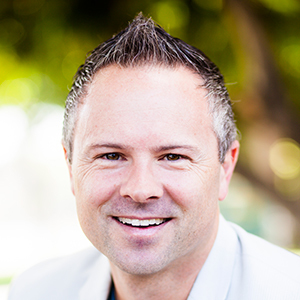
Sean McDowell: [upbeat music] This week marks the 80th anniversary since the liberation of Auschwitz, and the number of survivors is dwindling. 2025 might be the tipping point for school choice in America, and DEI programs are on their way out. These are the stories we'll discuss, and we'll address some of your questions. I'm your host, Sean McDowell.
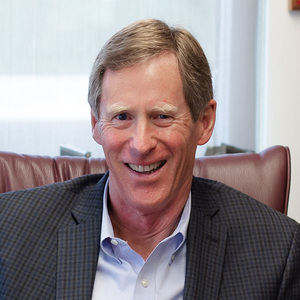
Scott Rae: I'm your co-host, Scott Rae.
Sean McDowell: This is the Think Biblically weekly cultural update, brought to you by Talbot School of Theology, Biola University. Scott, I was reading this story to my wife this morning, and it's just 80 years removed. Almost felt tears just coming up at just how horrible and horrific Auschwitz was, but then the thought that some of the living voices, who we can look into their eyes and see them speak and see the marks-
Scott Rae: Mm-hmm
Sean McDowell: ... On their arms, are dwindling, so to speak. Now, some things-- This article is about how many world leaders are gonna show up. That's really secondary. I don't really care about that. But they m- they mark a few things. They say, there were 50 survivors expected at the Auschwitz-Birkenau State Museum, and other camps to attend these events on Monday, so 50, which means there may be even more. A few things about Auschwitz that are interesting, it was founded as a concentration camp in 1940 in a Polish town, and early on, it was a camp for Polish prisoners, such as Catholic priests, members of the Polish underground resistance. The Germans later established some 40 camps in this area, so it's not just one camp. Birkenau, of course, a vast site used for mass killings, and we know the stories. Those who arrived at Birkenau were just brought in cramped, windowless cattle trains. The Nazis selected those who could be used for forced labor, and then elderly women, children, and babies, gassed to death soon after their arrival. One of the... You know, part of this was liberated by the Soviets who came in, which is a whole 'nother [chuckles] conversation within itself, but they found about 7,000 weak and emaciated prisoners. And there was a quote from the newspaper, Pravda, that said, "I saw thousands of tortured people whom the Red Army had saved, so thin that they could sway like branches in the wind." And then I was talking with my wife this morning, that some people didn't die in the camps, were liberated, and then because of disease, died afterwards. I mean, that's just harrowing. Now, in 2024, I didn't realize this, but 1.83 million people visited the site. That's positive that that many people went to visit it, but I also wasn't aware that Auschwitz is the place where 1.1 million people, 90% of them Jews, were massacred. I didn't realize it was that size. And they make this point. They said one reason Auschwitz has emerged as the leading symbol of the Holocaust and other Nazi crimes is that it was a labor camp-
Scott Rae: That's right
Sean McDowell: ... And thousands survived, so there's eyewitnesses who could tell us what happened. In some of the other camps, there's none or very few who survived, let alone still survive today. So we have these stories today, but they're dwindling. I would love to know your take on this.
Scott Rae: Well, the first thing that came to mind, Sean, on this was the cry of the Jewish people, "Never again." And but as the last survivors die off, the memories fade.
Sean McDowell: Mm-hmm.
Scott Rae: And it will just-- I think it will become less and less a part of the public consciousness going forward, and it's already... We've seen... You know, we talked about the numbers on this not too long ago. The numbers of people who deny that the Holocaust actually took place or that it was exaggerated is growing in the West and has always been a significant number in other parts of the world. The Middle East, the majority of people believe that the Holocaust was ei- was either a fraud or, you know, or at least grossly exaggerated. And so I think the notion that we're losing a lot of the survivors, and we're losing the memory of this, I think is pretty significant. And thankfully, we do have, like you mentioned, we do have a number of survivors, probably more from Auschwitz than the other camps- ... Because it was designed as a labor camp and not specifically as an extermination site, like most of the rest of them were.
Scott Rae: And it just stri- it just strikes me that, you know, we're lo- we're losing a lot of the people who fought in World War II. We're losing a lot of that generation, and we're lose-- we're l- actually, we're losing people now that fought in the Korean War. And so the historical memory that we have, I think, is diminishing over time. And in my view, Sean, the reason Auschwitz is so important, and the reason the memory of it is so important, is that Auschwitz forced us to name evil for what it is.
Sean McDowell: Amen.
Scott Rae: And it f- it... I think, I think one of the most, one of the most poignant parts of the movie, the movie Life is Beautiful, which was about an Italian family that went to one of the Nazi concentration camps, and it-- one of the, is one of the inmates, they-- he was just heard muttering to himself after he'd witnessed the mass murder of s- of several of the inmates there, just heard him mutter under his breath, under his breath, "There is no God." And it, and it resurfaces, I think, for us, the problem of evil in ways that I think are really helpful for us to talk about because to name evil means that we also have to name a standard and a standard giver. And in my view, the existence of evil, like what took place at Auschwitz, is one of the best arguments for something like objective morality.... Because it's, you know, we would say that if you know, if you don't believe that the mass killing of six million Jews was evil, then you don't need an argument. [laughing]
Sean McDowell: [laughing]
Scott Rae: You know, as Bill Craig said, "You need a therapist-
Sean McDowell: Agreed
Scott Rae: ... For that." now, I think it also- what Auschwitz also did is it put to rest, I think, once and for all, the notion that was pretty significant throughout the first half of the 20th century, and that is this notion of inevitable human progress. It burst the bubble on that big time. I think, I think we could probably safely say that World War I put that view on life support, and the Holocaust buried it once and for all. Because if, you know, if day by day we're getting better and better, night by night, we are surely getting worse and worse. And the Holocaust, I think, is eloquent testimony to the fact that human beings are totally depraved. What, what I mean by that is that all of us have resident within us the propensity for every kind of sin, and it's only by the grace of God that those things don't come to fruition. And I think that's... Auschwitz has forced us to recognize that depravity is a real thing, and something to be, I think, something to be reckoned with. And, you know, and it's... What's really interesting to me is that, you know, most of the people who carried out these killings at Auschwitz were just, they were just ordinary people. They weren't moral mon- now, some of them were. I think you can make a good argument that, you know, some, like Goebbels and Himmler and others, were moral monsters.
Sean McDowell: Sure, sure.
Scott Rae: But most of the people who carried this out were not. They were, you know, they were good husbands, they were good fathers, but they did things that they would never have done to their own families and loved ones. And it reminds me of a, there's a classic piece that I read as a doctoral student called "Conditions for a Guilt-Free Massacre."
Sean McDowell: [laughing] Oh, my goodness!
Scott Rae: And it was-
Sean McDowell: [laughing]
Scott Rae: ... And it was, it was actually, it was talking about the, you know, some of the... It referred to the Holocaust. It was talking about the massacres in Rwanda at the time. But some of the things that they point out are dehumanising the victims, which they, the Nazis clearly did with the Jewish people. Not only with them, but with others, with the physically and mentally impaired, the elderly, the infirm. And then the o- the o- the other thing that was a condition on this is unquestioned obedience to authority. And the, and the rationale that, "I was just obeying orders," which is sort of the classic Nuremberg defense that we tell people in business, "Don't try that, 'cause it didn't work at Nuremberg-
Sean McDowell: [laughing]
Scott Rae: ... And it's not gonna work for you." And then the sense of somehow, the sense of that the victims deserved it somehow. This sort of goes along with, like, dehumanising- ... Them. But those, I think, are some of the conditions that have to be in place to see, you know, these kinds of mass atrocities. And it took years, I think, for the German people to sort of recognize their collective guilt for this. And I commend the Germans for continuing to keep these camps open-
Sean McDowell: Yeah, good
Scott Rae: ... And to encourage tourists and visitors to come. My son's been doing some film shoots in Poland, and the next time he goes, he's, he's determined to get to Auschwitz-
Sean McDowell: Oh, good
Scott Rae: ... To see that.
Sean McDowell: Good.
Scott Rae: So that, I mean, there's a, there's a... I mean, we could spend a whole hour just talking about this one.
Sean McDowell: We could, yeah.
Scott Rae: But I think to recognize that total depravity is real- ... And evil is real, and to have the courage to name both of those things for what they are, as totally consistent with the biblical worldview, that's, I think, the enduring takeaway.
Sean McDowell: So this is really helpful because there is the question how a good, loving God could allow something like the Holocaust. That's a real question. I teach a whole class on the problem of evil here, and we spend time talking about that. On the flip side, how are humans capable of such evil? Because the kind of evil done at the Holocaust goes far beyond survival of the fittest. It's sadistic, torture. There's no other words besides wicked and evil. Well, these sunny worldviews like Marxism that says we're maybe morally neutral, or New Age, that we have God within us, completely underestimate, the level of human depravity that we see in the Holocaust. But also, Jesus talks about in Mark 7, "Out of the heart comes lust, and idolatry, and sloth, and pride." Paul talks about Romans 3, "All have sinned," and he's like, "No one does good. No one," like, has this dismal view of human nature. I don't know that you can explain something like the Holocaust without a Judeo-Christian understanding of the Fall. So that's a really important, point to draw into.
Scott Rae: You know-
Sean McDowell: Go ahead
Scott Rae: ... Sean, if these were all people who were, you know, just who were, you know, mentally or psychologically off and, you know, had... Or so- or sociopaths in this, I think it'd be easier to understand. But the fact that these, most of the people who carried this out were just ordinary people- ... Who, if you looked at them in their private life, we'd probably consider them to be fairly virtuous, and had this just huge separation between their private life and their, and their life on their job. And so that's, I think, what makes the problem of evil in this case even trickier, is because these were, these were basically, you know, for the most part, basically good people who carried out these heinous things. And that's, I think, the part that really scrambles our brains to try and understand.
Sean McDowell: Now, if 1.1 million people were killed at Auschwitz, how many people does it take to run a camp or camps like that, prison guards?... Chefs, executioners, people who clean. I mean, on- we're talking tens of thousands, hundreds of thousands.
Scott Rae: Just, I mean, imagine just the sanitation-
Sean McDowell: Alone
Scott Rae: ... That has to be done.
Sean McDowell: Yeah, just that in itself, not to mention the other camps. So I actually, one- I'm gonna recommend an article. I- as strongly as I can rend our- recommend our audience to read an article. It's by Clay Jones, who used to teach here in our apologetics program. It's online. If you search it, you'll find it. It's just called "We Don't Take Human Evil Seriously, So We Don't Understand Why We Suffer." "We don't take human evil seriously, so we don't understand why we suffer." I assign this to our [chuckles] students in my classes-
Scott Rae: Yes, yes, good
Sean McDowell: ... Both graduate class and my undergrad class, and he makes the point. He says, he says, "We tend to l- think that there was a few deranged individuals, like Hitler, et cetera, or maybe Pol Pot." He goes, "No, it's the masses of people who do evil," and he says, "because what was in them is the same humanity that's in us." We look at them and go, "I'd never do that. I'm better." Well, we're only fooling ourselves. If we were there, and the pressure was on with our job and our reputation and our lives, it's the exception of a human being to sacrifice themselves and do what is good. So if we stand from a distance... And I actually saw Clay in a debate with three atheists and two other Christians. He asked these atheists, he said, "I- if you were actually in Germany, could you have been a prison guard?" And they were so offended and angry-
Scott Rae: [chuckles]
Sean McDowell: ... That he asked that. "I can't believe you'd ask this. We'd never do that!" And I thought, what a fascinating question. If you don't humble yourself and ask that, you're only fooling yourself because statistically speaking, most people would've been. This is a huge takeaway from this story. I remember one other quick thing. When I was in high school, we were watching some news story, and there was some atrocious murder, and I'm like: "That's so inhumane." And my dad stopped me, and he goes, "Son, that's not inhumane. Inhumane means not human. Humans did that, and you're also human and are capable of that." And I was like, "Oh, my goodness," game-changing moment. Now, the other piece about this that's important, biblically speaking, is to talk about the power of testimony. So I was speaking at a great Christian school in San Diego about three weeks ago, and they said their next speaker after me was an Auschwitz survivor, and he was gonna go talk with the students and show the numbers on his arms and tell his story. Those students will never, ever forget that.
Scott Rae: That's right.
Sean McDowell: But in another 20 years or less, they'll all be gone. There are biblical themes of, like, why do we practice the Passover? To remember who God is and what God has done. He's the God of Abraham, Isaac, and Jacob. We are called to repeat and practice and share what we have seen. I mean, in Pentecost, the Gospel begins by Peter and the apostles saying, "We were eyewitnesses. We were there." The end of the Gospel of John, "These things have been written down, so you might believe. Now, you're not eyewitnesses, but you might believe these things." So when a collective memory is getting lost, it's built into the Judeo-Christian tradition to keep sharing these stories, keep this memory alive, because it, in part, shapes who we are. That's true for the Holocaust, and that's also true for biblical stories as well.
Scott Rae: Oh, that's great stuff. As, as Alexander Solzhenitsyn was well known for saying, "The line between good and evil is not between us and them." "The line, that line is straight down through the middle of the human heart."
Sean McDowell: It's a humbling thought.
Scott Rae: And that's, that's, I think that's a, that's a good word, and this is... You know, Auschwitz is a good example of that.
Sean McDowell: Well, this is somewhat of a stark pivot, but we've got another story-
Scott Rae: [chuckles]
Sean McDowell: ... That is important, and this one came across my desk, and I was not aware of how radically this has shifted. The title is from The Daily Signal. It says, "2025 will be the tipping point for school choice." Now, they note that in the past five years, the number of students benefiting from school choice has more than doubled, so five years, it's doubled. So in 2020, fewer than 600,000 children nationwide were accessing the learning environment of their family's choice, using a K-12 education savings account, tax credit scholarship, or other school voucher. So this is not about the number of students who are being homeschooled or going to private school. It's those who are getting some kind of tax write-off or funding for their school choice. That was 600,000. Now, there's about 1.2 million K-12 students benefiting from school choice. Now, one thing the article doesn't point out is what happened in 2020 was the pandemic, and it came very quickly clear to people that what was being taught in public school's not favorable to this in terms of the content and oftentimes the quality, and I think that encouraged people to say, "We wanna go to a private education or homeschool," and has pushed forward some of these bills as a part of it. Now, much of this enrollment has been driven by the rise in universal, school choice policies, which make every student, K-12, in the state that adopts that eligible. So we've seen, for example, Montana has a privately funded tax credit scholarship policy for all students that are eligible. More than 95% of Indiana students are eligible for some kind of school voucher, interestingly. Now, more than a dozen states are considering new or expanded school choice policies, so by the end of the year, that could exceed 50%. Now, lawmakers, these are states like Georgia, Indiana, New Hampshire, Pennsylvania, South Carolina, Tennessee, Virginia, Wyoming, so conservative ones, but New Hampshire and Pennsylvania in there, these are not just conservative school, states, interestingly enough. And then lawmakers in places like Idaho, Kansas, Missouri, South Dakota, et cetera, and Texas are considering new choice-... Policies, and some having a universal choice policy. So they go into some of the details about this, but here's kind of the bottom line. They say, "The most common and effective argument against school choice is that it will destroy traditional public schools." This article says, and it's an opinion piece, "The argument only works 'cause so few people know that nearly every study of the effects of school choice on the academic performance of public school students finds statistically significant positive effects." In other words, just as in every other area of life, more choice and competition leads to higher quality. So when parents are given choice, they're making the argument, public schools have to up their game to get their funding, 'cause many get paid by the number of students. So they argue that school choice is the rising tide that lifts all boats. Now, the, this article's very optimistic, and it says, "Soon the dream will [chuckles] be a reality." This person is in favor of it, but your take on this trend?
Scott Rae: Well, I think that just strictly from a view of economics, of anytime you bring competition into a product or a service, it's gonna improve the quality. And it will chase out, it will chase out the ones who are not qualified. And the m- the model of higher education, I think, is a good example of this because there's no monopoly on public higher education. We have lots of private school. We have lots of options, lots of competition, and, you know, higher education in the US has flourished for years and years. In comparison, the public schools are a virtual monopoly. Now, there are other options, but for most... Unless you are a, unless you are a family of means, some of those, some of those options are... They're tough to realize. And not everybody's wired to homeschool their kids.
Sean McDowell: Sure.
Scott Rae: So-
Sean McDowell: Or able to.
Scott Rae: Or able to, yeah.
Sean McDowell: Yeah.
Scott Rae: Now, excellence usually emerges from competition, and I think the oth- the other side of the moral argument on it will gut the public schools, which I'll get to that in a minute-
Sean McDowell: Mm-hmm
Scott Rae: ... But I think it's unfair to trap students in underperforming schools simply by virtue of their zip code, and this is particularly true, I think, of minority students who are trapped in underperforming schools simply by virtue of where they live. And they just, they just don't have any other options. And given that education is the primary component that helps people emerge-
Sean McDowell: That's right
Scott Rae: ... In, out of poverty into a life of flourishing, is... I think it is unjust that students are trapped in these underperforming schools simply based on their zip code. Now, I think wha- in my view, what will happen, I think this will undoubtedly affect the public schools. Not all of them are gonna raise their game- ... And the ones who don't will probably go under. Right? Now, what I suspect will happen is that given the, given the market for education will always be strong, that there will be enterprising, entrepreneurial folks who will come into those places where the public schools have shut down and start something that's gonna be higher quality and more accessible than what the public schools have been. Now, will some... Will this affect jobs for teachers? It could, 'cause some public schools are not gonna ma- they're not gonna survive the competition. Some will raise their game, but not... But I don't think that's true for all of them. But I think we can count on the en- the enterprising nature of the American people to come in and provide other alternatives for when the public school- when some public schools have had to shut down. So I don't, I don't see this as just as wiping out the public schools. I see it as, in one, in one phase, upping their game, but on another, clearing the playing field to allow for new, you know, for new institutions to come in and take their place and ma- be more vibrant. So I think that's a part of it. Now, the other thing that I think is important is that the va- you know, whatever the form school choice takes, like a voucher system or a tax credit-
Sean McDowell: Yeah
Scott Rae: ... It needs to be sufficient to where it's roughly equivalent to the free public education- ... That they get in the public schools. Right? Now, I d- I don't want people to be priced out of the system, 'cause the vouchers... You know, if the voucher's for 2,500 bucks a year, and the tuition's 10 grand-
Sean McDowell: [chuckles] Right
Scott Rae: ... Nobody's really been helped.
Sean McDowell: Yeah.
Scott Rae: But I do think that there's pr- there's probably a... It's probably a good thing that parents have to pay a little bit for their kids' education. Because with a little, with a little financial skin in the game-
Sean McDowell: [laughs]
Scott Rae: ... Parents, I think, are likely to be more invested. And it's different, and different in college because you've... You know, we're sort of launching kids, and parents, you know, parents are not supposed to be that invested in that way in their students' college education. But I think at K through 12, ha- the more parents are involved in their st- in their student's education, the better their education is. And I think at the end of the day, I'd say from a Christian worldview, it is my responsibility to educate my children- ... At the end of the day. It's not, it's not that I turn it over to the public schools, and I just hand off my kids to them, and it's their responsibility, and it's all on them. No, I... It's, it's ultimately, it's on my wife and me to make sure that our children are properly educated.
Sean McDowell: Mm-hmm.
Scott Rae: So that's, that's my take on this. You know, I come to this as more of a free market-type advocate-
Sean McDowell: Sure
Scott Rae: ... Which I think if we've applied, basically applied a really nice free market model to higher education, and it has worked spectacularly to give, you know, higher education the vibrancy that you don't see in any other part of the world.
Sean McDowell: ... I'm curious how much this surprises you, having studied these trends. 'Cause I remember this being an issue in high school, and I had, like, a government class, and we were supposed to put bills forward we'd debate on, and my conservative friend and I are like, "Let's..." You know, one idea was, "Let's argue for school choice with our classroom." It never would've crossed my mind that potentially a majority of states would adopt this. It always felt like maybe Iowa, maybe Mississippi, possibly Texas, but a majority? And if 2025 is a majority-
Scott Rae: Yeah
Sean McDowell: ... I mean, who knows how far-
Scott Rae: In the Northeast
Sean McDowell: ... It could keep going. Yeah, New Hampshire. Are you, like, really- did this surprise you, or have you kind of seen this coming?
Scott Rae: No, this was, this was a surprise. I think that the momentum, I think, has been building slowly, but there are co- I think there are a couple roadblocks that have stood in the way, and I think, you know, the teachers' unions, public school teachers' unions are very strong and very politically, motivated, I think, to keep voucher programs and school choice programs out of the public eye. And so that's, that's, that's, I think, a significant hurdle that either needs to be overcome or sidestepped. And I still think that's, that's... I still think that's an issue. And it'll be interesting to hear the representative te- of the teachers' union respond to this story.
Sean McDowell: Oh, that would be interesting.
Scott Rae: 'Cause they're- I think they're gonna, they're gonna cry that the, you know, the sky is falling, and, you know, it may be, it may be for some public schools, that's true. But I think for the most part, we do better for education in general the more that competition is introduced.
Sean McDowell: You mentioned as a parent, it's our responsibility to educate our kids. I think of course, the Shema in Hebrews chapter 6, "Hear, O Israel, the Lord our God is one. Love the Lord God with all your heart, your soul, and your strength. These commandments I give to you today are to be on your heart. Impress them on your children. Talk about them when you sit at home, when you walk along the road, when you lie down, and when you get up." Especially in the Old Testament, it was tied to parents to educate their kids. Now, I don't... We could talk how much that has shifted with the Church today. We're not under a theocracy of the Old Testament. I think it's parents, and I think the church has a responsibility, but also just given the nature of the economic system that we have, it's not possible for a lot of parents to do this, and I think many Christian parents have felt like, "Okay, time out. I'm supposed to educate my kids. I don't have the funds to send them to private school. I'm not happy with what's going on in a public school. I can't homeschool them," and they feel like they're battling against public schools. That's not only un-American, that's not fair. So I think it should up the game of public schools but also make them look at what they're teaching curriculum-wise, and if they want families to come back, make sure it's at least fair and neutral and not pushing DEI and other issues of sexuality. And I've read all the standards in California, and they are embedded within it, so I understand parents that give- that have pause about this. And I just think this is a positive thing for all parents, Christians aside, who want more power in terms of how they educate their kids. So if you had to make a prediction, do you think it'll happen in 2025, and more states will adopt this, or is it just like, "I have no idea. This is too complex"?
Scott Rae: I think we're probably a few years away from having a majority of states adopt this.
Sean McDowell: Okay.
Scott Rae: But I think the mo- the momentum has clearly shifted. And I think there's mo- there's momentum now, and we'll see what the new administration does to empower this. I c- I could... You know, it's not- doesn't take a lot of imagination to see the new administration being very friendly to this- ... In the future.
Sean McDowell: Well, I would be... I mean, we send our kids to private schools, so even that 2,500 a year would've helped us with all three of our kids, but I- we were able to afford it, partly 'cause I taught there-
Scott Rae: Right
Sean McDowell: ... And my wife taught there. But just I've had many conversations with people who can't and just despair for their kids, and they're working two jobs and can't educate them. I think this is an incredible boom and encouragement for families in that situation.
Scott Rae: Yeah, I think, Sean, this merits an entire, you know, 30- to 35-minute segment.
Sean McDowell: Oh, let's do it.
Scott Rae: And 'cause we've got, we've got people in our network who are experts on this. It'd be really great to have them come and address this.
Sean McDowell: Awesome. Good stuff. Let's do it. Now, this next one kind of relates to this in some way. It was two articles, one from The New York Times and one from The Wall Street Journal. Articles about DEI, diversity, equity, and inclusion, have been popping up all over the place. You and I did a deep dive in The New York Times story about University of Michigan that spent, if I remember, half a billion to a billion dollars in this, and they are leaning into it, no signs they're pulling away from it.
Scott Rae: 150 employees-
Sean McDowell: 150 employees
Scott Rae: ... On their diversity staff.
Sean McDowell: And even The New York Times is telling them that this [chuckles] isn't working out. So I see this as a positive sign. One of these is a columnist by Bret Stephens at The New York Times. I think he's a little bit more libertarian, maybe conservative on some issues.
Scott Rae: A little to the right of center.
Sean McDowell: Yes, I think that's fair. And he noted that in 2015, the Obama administration decided to allow women to serve in all combat roles. There will be no exceptions. So Ashton Carter, the secretary of defense, said they could be except for Army Rangers, Green Berets, Navy SEALs, et cetera, and that the physical changes would not change. There would be no quotas or perception thereof. "There must be no quotas or perception thereof," he said. Now, what Stephens says, "In some ways, the policy has produced inspiring results." And by the way, let me pause, especially maybe conservatives who don't like DEI and have issues with it, which I do. It's important to pause and recognize that at times there may be some positive things that have come out from it. He said, "140 women have completed the Army's elite Ranger School. A few have passed the Marines' infantry officer course, although none have become SEALs yet." Okay, that's positive.... It says, "Though it is elevated women who meet the same physical standards as their male counterparts, what has happened is an erosion of standards," and this is what we've consistently seen with DEI in a bunch of realms. So what was called the Army Combat Fitness Test, it was developed over a decade, supposed to be gender-neutral, was designed for rigorous training, requiring soldiers of either sex to meet physical standards appropriate. But what was happened is women were failing the test at notably higher rates than men were. New York's Kirsten Gillibrand said to The Washington Post, w- "They're putting pressure on the Army to delay implementation 'cause it could undermine the goal of creating a diverse force." So in other words, you see the standards being, lowered for the sake of the diverse- having a diverse force. Now, [chuckles] what's so interesting is Brett asks what I think is such an obvious question. He says, "All this raises the question of what a military is for." I read that, and I'm like: You've gotta be kidding me. This is the most obvious, basic question. How are we not asking this? And the point was is they've lowered the standards... I mean, in fact, according to Tom Cotton, who's a Republican, he said, "A young female soldier would have to be able to complete only 10 push-ups, down from 13, and run two miles in 23 minutes and 22 seconds, a slow jog." So if this is the military, and there's a purpose for the military, why are we lowering [chuckles] the standards on the military? Bottom line, he says, "At the end, it asks the military to become a social justice organization that happens to fight wars." That's a powerful line. In other walks of life, adulterated standards can lead to mediocrity, bad teaching in classrooms, bad medical care. In combat, it can mean death, and he's right about this. Now, there's another article about DEI we could jump into, but tell me your thoughts on this trend.
Scott Rae: Well, Sean, the first question I think this raises is why have these efforts failed? Now, despite... I think there's, there's been, there have been some really successful things, and I think there's a, there's a difference between equality of opportunity and equality of outcome. And I think s- you know, it's one thing, I think, to increase the pool of qualified applicants by go- by seeking out minority applicants who are qualified for the job that you're recruiting for. It's another thing to have equality of outcomes so that, so that disparities in outcomes is immediately attributed to racism, and that's what our friend Thomas Sowells pointed out, that there's a fallacy there, that tho- equality of opportunity and equality of outcome are not the same thing. But the q- the question of why did these efforts fail, I think there are several reasons for this. One is it almost always came from the top down.
Scott Rae: And it contained... It was driven by an ideology that, you know, we've, we've dug deeply to this, that has its roots in critical theory and neo-Marxism, where the li- where the line between oppressor and oppressed is based on race or gender or sexuality, and now those are the lenses through which people see the world. And of course, theologically, all of us, like we mentioned before, all of us have the capacity to be oppressors, and all of us have the opportunity to be vic- to be oppressed as well. None of us are exempt from either one of those categories- ... And to define that by race, ethnicity, sexuality, or however it's being defined, I think is a fallacy in and of itself. And here's the other thing, as a res- as a result of that, it became, it became divisive. And that's one of the main criticisms, that in an effort to encourage diversity, it actually, instead of bringing people together, it actually divided- ... Communities. And here's... The other, the other reason I think that it failed is you couldn't have a diversity of thought about diversity.
Sean McDowell: [laughing]
Scott Rae: Right? And so it became intolerant. And it became a part of a sort of a rigid, politically correct ideology that cancel culture could invoke to put people on the sidelines, and I think it also created an unfairness in hiring, and the other side of that is it stigmatized legitimate minority achievement. I remember, Sean, I'll never forget. We had one of the most gifted students I've ever had as an undergraduate, was African American. This was probably seven or eight years ago. Valedictorian of his high school, and he told us in class, he said, "When I first got on the campus," almost everybody he talked to thought he was an affirmative action admission.
Sean McDowell: Wow.
Scott Rae: And he was so angry about that, because everybody dismissed the notion- ... That he actually might have earned his way into admission to Biola University- ... In the same way he earned his valedictorian status. And it showed us, I think, how, just how, just how damaging that can be to people's self-esteem who are- who have their legitimate achievement, legitimate accomplishments questioned, that maybe, or just sort of looked askance a bit, that maybe you got a leg up than somebody else did, and maybe you don't quite deserve the outcome that you're getting. And I think in some places, I think, let's be honest, too, I would say it didn't fail. It became unnecessary, and part of the reason for that is because the emphasis on including people who are different than you just became part of the water supply of the institution.... You know, I remember really well, in the last two years, we've had our diversity consultant-- that's not true, a rec- racial reconciliation consultant- -Ken Ulmer, who's been working with us, and we had a... He and I led a series of meetings with the Talbot faculty to, just to lay out how have you been changing your syllabi, changing the readings you require, changing assignments, things like that, in order to reflect a little bit more diversity of authors, of people we're reading, of people you're exposing students to? And we, you know, we didn't expect all that much. What we were- what we discovered, we were blown away with, because almost every faculty we talked about has made conscious efforts to be a little bit more inclusive to people who look differently than we do, and it did it without sacrificing any of their content. They're just exposing students to people who, you know, who are authors that we don't normally read, and we do this in programs all the time with people who think differently, but also, but why can't we also do it with people who look a little different? And the impact that that had on minority students caught all the faculty a bit off guard. Here's the takeaway on this: nobody told them from on high that they had to do that. They did it on their own accord because they recognized the value of including people who maybe were feeling a little bit on the outside and a little bit marginalized. Don't you think that's a good thing? But nobody had to come say, "You know, you gotta go through this program and go through these exercises." They just did it, and we didn't, you know, we didn't advertise it, but we were, we were delighted to see that this took place. So I, in my view, some of the things that emerge from the bottom up are much better and more effective than things that are handed down from the top down.
Sean McDowell: That's a, that's a trend and a phenomena with the education system and with here, which I think highlights your confidence in capitalism to work things out, so to speak. That's a, that's a really great example of people going, "Oh, maybe I hadn't thought about this. I'm gonna look outside the box. I want all my students to at least feel like they see somebody, whether in an article or a video, that they relate to," without sacrificing any of the quality in doing so, and even by saying that, I don't want to imply that including- [chuckles]
Scott Rae: Right
Sean McDowell: ... Somebody who's a minority-
Scott Rae: No, of course not
Sean McDowell: ... Necessarily reduces the quality of something. In fact, in many cases-
Scott Rae: Yeah
Sean McDowell: ... It's going to increase the quality 'cause you look outside of the norm where you normally look. But the difference is DEI was just saying there's some of the quality aside that's secondary. What matters is diversity within itself, and when you look at a university, that's different than a military. What... Where you ask the question, "What is a military for?" And we know what the task of a military is for.
Scott Rae: Right, and part of the task of a university is to educate students, to prepare them to interact in the real world, and they're going to have to interact with diverse cultures. They're gonna have to act with, interact with people who look and think differently than they do, and so that's part of our obligation is to prepare them to do that well. We have actually, we have one of our faculty members has taken this to, you know, to a really helpful extent, where he's put together, he and some other colleagues have put together bibliographies for Old Testament, New Testament, and now in theology of diverse authors-
Sean McDowell: Interesting
Scott Rae: ... Who are ha- who are, who are evangelical, who are saying good stuff, but you may not ever have been exposed to just sh- just because you weren't looking for them. And it's called, you know, In Every Voice.
Sean McDowell: I love that.
Scott Rae: It's great stuff.
Sean McDowell: That, that's really fascinating. So this other piece, really quickly, is just from The Wall Street Journal. So same day, you have New York Times [chuckles] bringing this up, Wall Street Journal bringing this up tells me a trend is taking place here. It's about how DEI conquered the University of Colorado. I won't read all the details here, but basically from the top down, and they, if I remember correctly, they said in this article, almost 90% of faculty were affected in some way by this, made a decision that to hire people distinctly because of their race, Latinx, where people are from, and certain kind of intersectional qualifications. They said what happened, though, is it actually results in less diversity of thought in the way they favored this in certain particular disciplines, and so it's actually... They say it actually restructures a lot of what's going on in the university itself, and so they said what happens is sometimes these programs will change the name of their diversity, equity, and inclusion, but they don't change the substance of it. And I've seen this come up a few times in different articles about universities, who will say things like, "Oh, we're moving beyond DEI programs. This is a new day," but it's the same faculty, it's the same books, it's the same idea. It's just under a different name. That's what I think is problematic. So they point out here, like at CU Boulder, specifically hiring people to be activists, promoting what you and I would say is a critical theory view of the world, finding professors who hold those beliefs, and what happens, at the very end, they said something. They said, here's the last one. It says, "Hiring practices at CU Boulder illustrate the extent of the problem, which begins with racial discrimination and extends to ideological discrimination. To undo the damage will be a monumental task, and an end to race-based hiring is the necessary first step. The sign of true success will be when universities empower scholars who understand the true purpose of higher education, the pursuit of truth." I think that's what's been lost amid this. So bottom line, I love the efforts-
Scott Rae: Yeah
Sean McDowell: ... At Biola to say, "Let's find voices of people from different backgrounds and make sure that they are represented." That's an intentional effort to do so, that they line up evangelically, be intentional about that. That's a very different move than what a lot of DEI is.
Scott Rae: Let me just add one more thing to this. To think, thinking biblically about diversity-... Just in general. Scripture values diversity for its own sake, because in the kingdom, when it comes in its fullness, it will be many tribes, and languages, and ethnicities that make up the kingdom of God in its fullness. And even on the day of Pentecost, Jews from all over the world, who spoke all sorts of different languages and all different ethnicities, all Jews, but, the day of Pentecost, I think, shows the unity of the body of Christ amidst this incredible diversity of languages and cultures. And our-- I think more individually, I think what, it's really important, I think, to recognize that our foundational identity comes from being made in the image of God and by virtue of being in Christ. But other parts of our identity matter, too, in shaping who we are. And remember, the first, the first Christians were all Jews, but when they came to faith, they didn't stop being Jews, right? And even theologically, our particular eschatology holds that they, you know, they did not lose the promises of God- ... That were made to Abraham, Isaac, and Jacob, and to David in the Old Testament. Those, in our view, those will be fulfilled literally to Israel, as Israel returns both to the land and to the Lord. Now, they've, they've got a long way to go to return to the Lord before that, before that takes place. But the early, the earliest Christians did not cease to be ethnic Jews. Now, I think their identity, the foundational parts, were that they were now in Christ. And, and so what unifies people is more significant... There are more things that unify us than divide us, but also, the things that unify us are more significant than the things that divide us, and that was true, although it took the early church quite a long time before they actually incorporated that into the fabric of daily life in the local church. But I think those will help us think biblically and theologically about some of these movements that we've been talking about.
Sean McDowell: Love it. Good stuff, Scott. Well, this is not really a question, but do you wanna take some questions? [chuckles]
Scott Rae: That's a rhetorical question? [chuckles]
Sean McDowell: Yes, it is. We've got three, and we'll see if we can get through them with the time that we have. This first one, I think, is more for me, but definitely wanna know what you think about it. It says: "A friend of mine says he believes in both Jesus and Buddha, and they basically taught the same thing. Obviously, that's not true, but I'm not knowledgeable enough to point to specific contradictions. When I mentioned that Buddhists don't believe in the material world, he said, 'No, that's a tenet of Hinduism, not Buddhism.' I kind of know he's wrong, but how do I show him? He gave me a list of books to read, including Jesus and Buddha: The Parallel Sayings by Micah- Marcus Borg." Now, I haven't read that. My suspicion is, if you start with Jesus, and you start with Buddha, and you look for similarities, you're going to find parallel sayings. Some version of the Golden Rule, version of compassion, a version of dealing with suffering. That's all on the surface. The differences arise when you get to the core of, what does it mean to be human? What's wrong with the world? Does God exist? If so, what is God like? How do we attain salvation? These are fundamentally different answers. So I actually would probably invite the person, not just one book... If you wanna read Buddhism, this is a book I read in my graduate studies. Karen Armstrong has a book just called Buddha, and if I remember correctly, that was just kind of a good synopsis of Buddhism. So don't read a Christian critique in it. Read Buddha, and then pick up Greg Koukl's book, a friend of ours at Biola, called The Story of Reality, and just compare and contrast those two books, and then you can read some Buddhist version, you know, writings, and read the Bible. So go to the source yourself. Now, interestingly, the day this comes out, I'm releasing a [chuckles] documentary. I went with my son to visit a huge Buddhist temple, in the LA area. It comes out today, and it's not a debate, but I just-- it's just, you know, 20, 25 minutes, get a tour with my son, sit down with two of the monks, and just kinda talk about what we have in common and what differences we have. It's just a civil conversation. That might be an interesting way to start the conversation. That's just on YouTube. You'll find it under my name if you seek it there.
Scott Rae: Yes-
Sean McDowell: Anything you wanna add to that?
Scott Rae: Well, I think, yeah, just one thing. I'm not surprised that there are parallels between Buddha and Jesus- ... Because of natural law.
Sean McDowell: There you go.
Scott Rae: God has revealed Himself in His world as well as in His Word, and we know, for example, the biblical proverbs have antecedents that preceded them by more than 1,000 years in other parts of the ancient Near East. But the reason for that is because God has revealed His truth in His world, and so it's not surprising that people outside of a Christian worldview are able to see and to adapt some of those, some of those things that are obvious from what God has revealed in His world.
Sean McDowell: Good word. That's why we find a lot of similarities in different religions. If there wasn't [chuckles] some overlap, nobody would believe any of them. But with Buddhism and Christianity, those are surface similarities. The differences are deep and profound, and any Buddhist would say that and claim that. Let's move to the second one. I think this is more for you, and this is from a conversation we had with Stan Wallace, a grad of our MA Phil program, on body-soul dualism. I think it was maybe a few weeks ago, we posted it as a regular episode. Person says, "In this life and in the final state, our attachment to a god occurs through both our soul and our body. Given that in the intermediate, disembodied state, we still have attachment to God, this attachment is not essentially dependent on soul-body unity. From this, it seems that our current, unique, personal relationship with God develops in part due to our bodies. This applies for both the disabled and the able-bodied. So if we assume that in the final resurrection state, all disabilities will be removed, does this mean that individuals with disability in this life are missing an integral part of how humans relate, commune with God?" What a great question! What do you think?
Scott Rae: Well, I sent this question to Stan-... And said, "Stan, would you like to respond to this?" And, and so he did.
Sean McDowell: Which also wasn't really a question. [laughing]
Scott Rae: [laughing] So, so yeah. I said, "Would you please respond to this?" and he s- and so here's what he said, and he gave us permission to read this-
Sean McDowell: Great
Scott Rae: ... To our listener. "Good question. In brief, I'd say no, someone with a disability is not missing an integral part of relating and communing with God. It is true that God has created us to be deeply wed to our bodies and to use them to engage the world and engage God while on Earth, and in the final resurrection. For instance, by having hands to do acts of service, or arms to raise as an act of worship, or a brain to use as a tool in thinking about what God is like. However, the soul is able to overcome unique limitations to achieve its end of worshiping God and flourishing. For example, a person with Dandy-Walker syndrome, born with only, with only part of their brain, often find that their soul is able to compensate and accomplish with only a small fraction of the brain what others do with their entire brain: think, experience emotions, make choices, and so on. In the same way, it seems reasonable to believe that the soul can work around other unique physical limitations or disabilities to develop intimacy with God as well." I th- I think that's a great answer. I, and I, and I would suggest that God communicates with us sufficiently despite our limits. And our bodies express what's in our inner being. It's true that, you know, there are, there are some disabilities that involve certain capacities that we'll never be able to actualize in our earthly life. And so the part that I wanna make clear about is just the question about whether disabilities carry over into eternity, and some argue that they do. Well, we're gonna have a conversat- longer conversation about that in the weeks to come.
Sean McDowell: That's right.
Scott Rae: But the reason they say that is because they are integral to who you are. They're integral to your sense of personal identity, so that if you didn't have those disabilities, you'd be a different person. And so I wanna suggest, if that's true, then what grounds your personal identity through time and change? Because if we look like the physicalist who says we're nothing more than a collection of our parts and properties, and when those change, we become a different person with a different identity. That's what I wanna be careful about, and to say that because we have souls that are immaterial and not... They are connected to our bodies, but not the same as our bodies, that we have the, we have the option of having our sense of personal identity continue through time and change, regardless of how our physical changes take place.
Sean McDowell: I'm looking forward to having that conversation. We've been talking about this for years, having somebody come on, a disability theologian, that's an entire field, and help us unpack this. I have a hard time with the idea of, say, somebody who can't hear saying, "This is a part of who I am," when the h- ear is built to listen and hear things. It's not working according to God's design, and this precious person adapts, et cetera, and is not missing anything in terms of their ability to know and relate to God. But there's a teleology and a design built into the body, and that's where I have a hard time saying, "This disability will continue on and is a part of who I am." I'm not convinced by that, but we'll spend some time unpacking it. I think bottom line is, for all of us, our bodies and our souls are affected in different ways by sin. That's inescapable, and we'll be redeemed and transformed in the new life, and that's something for all of us to look forward to.
Scott Rae: Yeah, I think there's a difference between, you know, being able to connect to God maximally- ... And being able to connect to God sufficiently.
Sean McDowell: Sufficiently.
Scott Rae: And I think w- you know, God has enabled us to connect with Him sufficiently- ... Regardless of our other physical limits and disabilities. It might be different than the way, you know, you and I might connect with God as opposed to a non-hearing person, but w- all of us have the ability to connect with Him sufficiently.
Sean McDowell: For a philosopher, that's a pretty good distinction, Scott.
Scott Rae: Well, I-
Sean McDowell: Let's go with that one. All right, last question.
Scott Rae: I have been taught. [laughing]
Sean McDowell: [laughing] Well, that's a very helpful distinction. So this last one, says, "My question is about something you mentioned during the Christians in TV and Film industry with Tom Halleen," who's the head of our cinema and media arts program here at Biola that's just flourishing, former executive that we interviewed. He said, "I'd really like for you to explain, using Scripture, how you decide why watching certain things is okay but watching other things is not okay. It was mentioned the why we watch question is the real question. I'd appreciate if you could delve into those reasons. I think it's important, and I'm thinking this through myself. For example, why would it be okay to watch horror movies?" Now, before you answer, I can only read the letters that are here, but when it says, "I'd like you to explain using Scripture," I partly pause because movies are obviously not discussed [chuckles] in Scripture. So we have to use principles, and we have to use stories from the Scripture. It's not gonna be chapter and verse. But with that said, your thoughts.
Scott Rae: Well, let me give you a chapter and verse.
Sean McDowell: All r- okay, let's go!
Scott Rae: [chuckles]
Sean McDowell: All right. [laughing]
Scott Rae: For example, I think, you know, Paul said in Philippians 4, verse 8, "Whatever..." I'm, I'm paraphrasing.
Sean McDowell: Sure.
Scott Rae: "Whatever is lovely, whatever is profitable," you know, "whatever is-
Sean McDowell: Worthy of praise-
Scott Rae: Worthy-
Sean McDowell: ... And pure, and..."
Scott Rae: Yeah. Think on these things. Focus your mind on those things. And I think Jesus' statement perhaps, you know, I think which you mentioned a little earlier, that, "Out of the mouth speaks that which fills the heart." And the implication is the things that fill our heart are the w- are the things that give rise to the way we speak and how our speech is performed. Now, I think those are some of the things that might govern the way we watch and we will make those decisions. But I think there's-... Now, I think there's some other, there's some other things to think about on this. I think it's okay to see things that portray the world realistically. I think, you know, I, you know, where, you know, where sexuality or violence is not gratuitous, but it represents the world like it really is. Now, whether media always does that or that, you know, it pushes the envelope, that's another argument that we can have. But I've had, I've had this conversation... My son's a filmmaker.
Sean McDowell: That's right.
Scott Rae: He's, he's been producing commercials for a long time, and we've had this discussion over and over again. And he says, "Dad, there is nothing wrong with portraying the world as it is. There's nothing wrong with portraying sin as it is." Now, I think there, you know, you can go too far in that, 'cause I think, I think there are times where it's, you know, where it's over the top. And I think there are storylines that I think, you know, they are just portraying the world as it is. And not, John, not every story in the real world is redemptive. You know, we got a lot, we got a lot of ugly stuff in the world, and I d- I don't think we should shy away from, necessarily from, you know, exposing ourselves to things that end up being messy. Well, you know, life is messy under the Fall, and I don't think we should shy away from that. So I, you know, I think, you know, where you have strict criteria, you know, maybe not, but, you know, I know gratuitous sex and violence when I see it. And I know when language gets over the top, and I'll turn off things where the language is over the top.
Sean McDowell: Sure.
Scott Rae: And I'll turn off things where the, you know, the portrayal of sex is just, is just not necessary. But I think in general, I, you know... I don't watch horror movies. I mean, the person asked specifically, "But is it okay to watch horror movies?" I don't, I don't watch those, I, 'cause they creep me out. And, I think if she, if she'd have said, you know, "Is it okay to watch superhero movies?" You might have had something to say about that. [laughing]
Sean McDowell: [laughing] I definitely might. Well, I think citing Philippians 4:8 is a great, you know, passage. "Whatever is true, noble, right, pure, whatever is lovely, whatever is excellent or praiseworthy, think about such things." But how do we keep that in balance with not only... I wrote down the quote you said, "There's nothing wrong with portraying the world as it is." I would actually say it stronger. I think there's something good about portraying the brokenness of the world and what results from sin. There's an entire book of the Bible in the Old Testament called Judges- [laughing] ... And people did that which was right in their own eyes. And you see, I mean, this, it just builds with these harrowing stories.
Scott Rae: And it's got some pretty ugly stories in there, too.
Sean McDowell: They c- I mean, if they put them on film, could be PG-13 or beyond. I mean, the-
Scott Rae: Oh, it'd be well beyond that.
Sean McDowell: Yeah, depending on, of course, how they portray it and what's insinuated versus shown. But the movie climaxes... I'm sorry, the book climaxes with just this prostitute or this woman who's raped all night, her body's cut up in 12 parts-
Scott Rae: Yeah, dismembered
Sean McDowell: ... And sent to the tribes. And the point is, like, if you allow sin at the door and keep the cycle going, it's going to lead to death, which is biblical idea. So I actually like certain films, and this is one reason I loved Breaking Bad. It's my all-time favorite TV show, and Tom Halleen was one of the executives-
Scott Rae: That's right
Sean McDowell: ... Who helped, promote this, and I talked with my son about it. Now, I wouldn't let my six-year-old watch it or my 12-year-old watch it. When my son was, I don't know, maybe he was 15 or 16, we watched it, and I fast-forward a couple scenes, and you just see choice by choice that he makes, and at the end, it quite literally leads to death. Now, I think Vince Gilligan is a materialist, and that comes through at times in the show, but I'm watching it going, "There are some serious biblical lessons that are here." Now, as far as horror movies, I don't love horror movies. I don't watch horror movies. But if the person really wants an analysis of this, Brian Godawa wrote a book called Hollywood Worldviews. I think he wrote it in 2009 with IVP, so some of the movie examples are a little dated. But he walks through, and he makes a case what he thinks is biblically for watching horror movies. And he says, "One thing in horror movies is there's clear black and white, right and wrong. There's justice, and there's injustice, and we are horrified by evil." He said, "The value that can be in our relativistic you-be-you age, horror movies call out and say, 'No, there is evil, and we know it, and we're upset when it's not done.'" Now, that doesn't mean watch any horror movie, 'cause I think discernment and conscience plays into this. That's where you can't just go chapter and verse-
Scott Rae: Mm-hmm
Sean McDowell: ... Should you watch this movie or that movie. And so we have to be discerning. We have to have our conscience before the Lord. But I also know, it was my English teacher here at Biola, she said, "The justification of sin is just as bad as the original sin." I'll never forget that.
Scott Rae: That's a great point.
Sean McDowell: So we can so easily, when we say, "Well, just discernment, it doesn't affect me," fool ourselves. So we've gotta be honest and invite other people into the conversation about the kind of films that we watch and don't watch. But also, like Tom said, try to lean on the side of grace and understanding for maybe Christians who land differently than you, and at least hear them out and ask why before you make quick judgments. That's my two cents. I love that that episode-
Scott Rae: Oh, yeah
Sean McDowell: ... Even if you don't agree with Tom-
Scott Rae: Yeah
Sean McDowell: ... It got you thinking and wrestling and going to Scripture. That's what we want to hear, so your question just warmed my heart, so to speak. Anything else today, Scott?
Scott Rae: Yeah. No, as is true every week, these are all great questions. Please keep them coming, 'cause we are really enjoying interacting with your questions.
Sean McDowell: And let us know if you want us to do a full episode where we just tackle questions. We've thought about that, 'cause we get more than we can even handle. But if you thought, "You know what? We'd like 35 minutes of Scott and Sean answering questions," or if you're like, "Eight minutes at the end of the episode is enough," let us know.
Scott Rae: [chuckles]
Sean McDowell: We wanna do this to help and equip you, and we really wanna address questions as we can. This has been an episode of the podcast Think Biblically: Conversations on Faith and Culture, brought to you by Talbot School of Theology, where Scott and I both teach, Biola University. We have master's programs online and in person in Bible, theology, apologetics, Old Testament, New Testament, exegesis, marriage and family, and so many more. To submit comments or ask questions, which we really appreciate, please email us at thinkbiblically@biola.edu, and we would deeply appreciate if you'd give us a rating on your podcast app. [upbeat music] If you enjoy this podcast, take two minutes and just write an honest review. Every one helps. And consider sharing this episode with a friend. Thanks for listening. We know there's a lot of options out there when it comes to podcasts and audio and content today. We're honored that you listen, and we will see you Tuesday when our regular podcast episode airs, in which we talk to a friend of Biola, Frank Beckwith, about a pressing issue of religious liberty in America and beyond today. In the meantime, remember to think biblically about everything. [upbeat music]