Biola University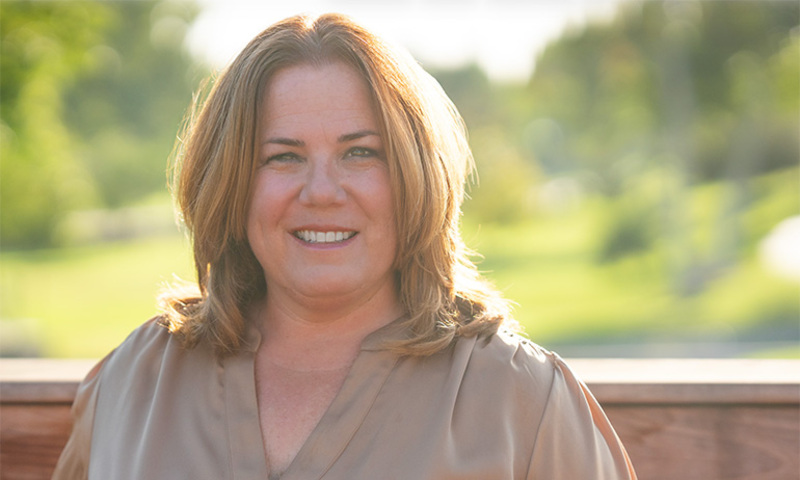
Dr. Jamie Sanchez is the Associate Dean of the Global Division and Doctoral Programs at Talbot School of Theology. She joined Biola in 2016 and teaches courses on research methods, supervises doctoral dissertations, and serves on the board of the Evangelical Missiological Society.
Q: Share briefly about your upbringing, family, education, and place you grew up.
I was raised in Farmington, a small town in Northern New Mexico, where most of my family still live. My spiritual foundation was laid through watching my paternal grandparents model faith and through kind families who invested in me at my home church. By my teen years, I decided to follow Jesus.
I spent the first two years of college in Hawaii, where my mom still lives, before transferring to New Mexico State University. My involvement with the Baptist Student Union was a defining chapter in my early adulthood.
A few years completing my undergraduate degree, I moved to China where I served with a mission organization. I studied Mandarin at a local university before working in the education and business sectors of the region. As I grew in my cross-cultural skills, I recognized the gaps in my training. That led me to return to the States, whereI earned an M.A. in Intercultural Studies from Union University and an M.Div. from Golden Gate Baptist Theological Seminary.
I returned overseas after I finished my graduate work, intending to spend my career there. However, mounting political shifts in the region made it clear that my time in Asia was ending, and I found myself needing to retool for a career change. That transition led me to pursue doctoral training at Virginia Tech in an interdisciplinary program focused on cultural studies.
Q: How did you hear about Talbot? What led you to come to the school?
I first heard about Biola at an Urbana conference where I chatted with some faculty who were there promoting the school. Later, while overseas, I learned that several colleagues were Biola students in the same program I now oversee. Working at Biola was never on my radar until I began the job search but looking back I can see how God had been pointing me in that direction.
Sure enough, as I neared the end of my doctoral program, a job at Biola became available. I had been praying for a position in an intercultural studies department at a Christian university that was somewhat closer to family. Gratefully, the job was a perfect fit for me and the department. I began my role in Fall 2016, just after finishing my Ph.D.
Q: What program and classes do you teach at Talbot? What other ministries are you involved with outside of Talbot?
The administrative side of my role includes directing five doctoral programs and an M.A. program, working alongside faculty and staff to build and deliver programs that equip students serving throughout the world. It’s humbling to be a small part of what God is doing through Talbot students globally.
On the teaching side, my courses include research methods doctoral seminars in which students learn how to conduct the research for their dissertation. The other big part of my teaching responsibilities is supervising students through the dissertation process. It’s rewarding to develop students into scholars, some of whom I have collaborated with in research over the years. Seeing former students present their research at a conference or publish their first article is one of the quiet highlights of this role.
Outside of Talbot, I have been a member of The Church at Green Hills in La Habra since early 2017 where I participate in a life group and serve on the personnel committee. One of my favorite annual events is a large-scale community outreach focused on equipping kids for the new year. I also occasionally consult for campus ministries, church missions teams, and individuals discerning longer-term service abroad.
Q: What makes Talbot a special place for you?
The faculty and staff are simply some of the best. Scholars and administrators who work hard to create a learning environment where students can be formed and equipped. There is genuine care for students here that goes beyond the classroom. Faculty and staff care for the whole person. I’m grateful every day that I get to be a part of this community.
Q: What advice would you give to current Talbot students?
The academic training is important, but some of the most formative moments in graduate school happen outside the classroom. Grab coffee with a professor to process ministry challenges or hop on a Zoom call with classmates to discuss a theological question. Those conversations, along with classes, will shape you. So, invest in relationships with your professors and your fellow students. Take advantage of your years in Talbot. The relationships you build will last far longer than your time as a student. Leave this season with more than your degree.
– Interview by Ben Shin