Biola University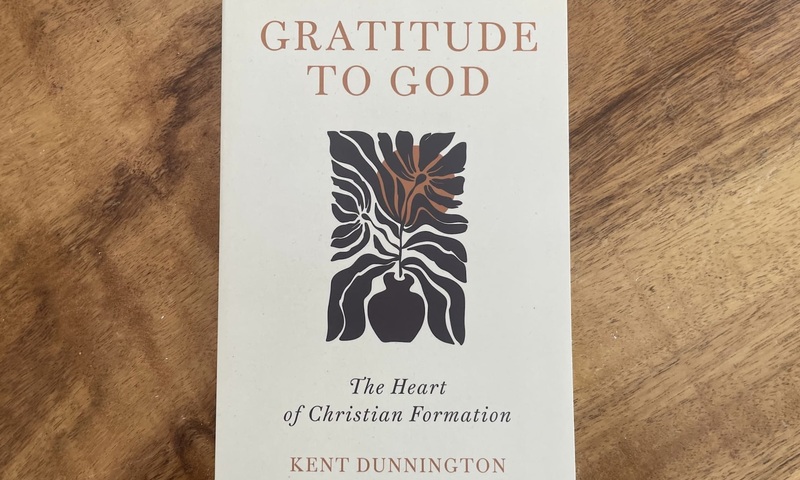
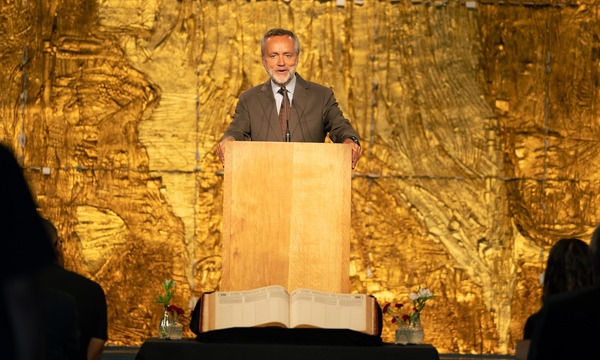
Dr. Kent Dunnington, chair of the undergraduate Department of Philosophy and professor of philosophy, understands the value of gratitude, but especially showing gratitude to God. In his recent book, Gratitude to God: The Heart of Christian Formation, Dunnington explores the biblical understanding of thanksgiving, one that transforms how people experience life, suffering and God's generosity.
Keep reading to hear from Dunnington about his book, which was released on May 26, 2026.
Why does the topic of the book matter today?
We have a lot of evidence from social psychology that gratitude has all kinds of positive life outcomes: better health, less depression, better relationships, etc. And of course, the Bible places a heavy emphasis on gratitude, too. But the Bible places special emphasis — indeed nearly exclusive emphasis — on gratitude to God, and I found that the popular treatment of gratitude was either not addressing gratitude to God or else just lumping it in with general gratitude. It seemed important to me, in a time when gratitude is all the rage, to think biblically and theologically about the shape of gratitude to God — why it matters so much and how to grow into it.
What should readers take away from their experience reading the book?
Two big lessons come to mind. First, that gratitude to God can be especially challenging because, from a human perspective, God is a “strange giver” who gives “strange gifts.” I hope people will better understand why they may personally struggle to live in a consistent posture of gratitude to God. And second, I hope people will realize that the path to growth in this area has a lot more to do with how you speak and what you do than with how you feel at any one point. Contemporary treatments of gratitude focus almost exclusively on gratitude as an emotion, but this is not where the Bible — the apostle Paul in particular — focuses.
Did any personal experiences shape the direction of the book?
Absolutely. My heroes in the faith have been characterized by profound gratitude to God, my grandmother especially. I always marveled at it and wished I could find my way into that way of being, but honestly I have struggled a lot with gratitude to God. I wrote this book to try to understand why many Christians find it difficult to be grateful to God with the kind of consistency and depth the Bible recommends, and I wrote it in the hope that I might be able to help others into a deeper practice of gratitude to God.
What is one example referenced in the book that you hope resonates?
If readers don't know about her already, I explore in one chapter the life of Corrie ten Boom, a Christian holocaust survivor who embodies how gratitude to God is possible for the Christian even in the midst of extreme hardship and suffering. I hope readers will be inspired by her story. I also share about my own struggles with gratitude in the midst of chronic pain. Academics aren't trained to open up and be personal in this way in their books, but I thought it was important that I do so. I hope it will be helpful to some.
Dunnington’s book Gratitude to God: The Heart of Christian Formation is available on Amazon. The Biola undergraduate Department of Philosophy seeks to foster a community of Christian scholars apprenticed to Jesus in the pursuit of theoretical and practical wisdom. Become a part of the community by learning more and applying today.
Interview conducted by Sarah Dougher, strategic communication manager. For more information, email beacon@biola.edu.