Biola University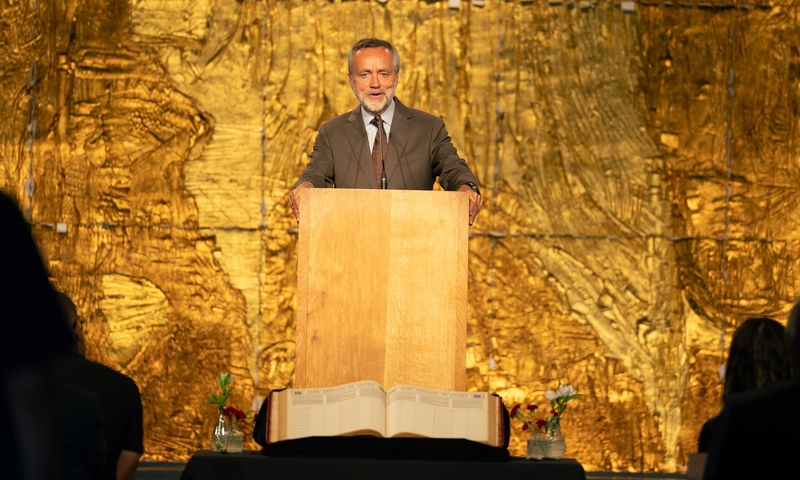
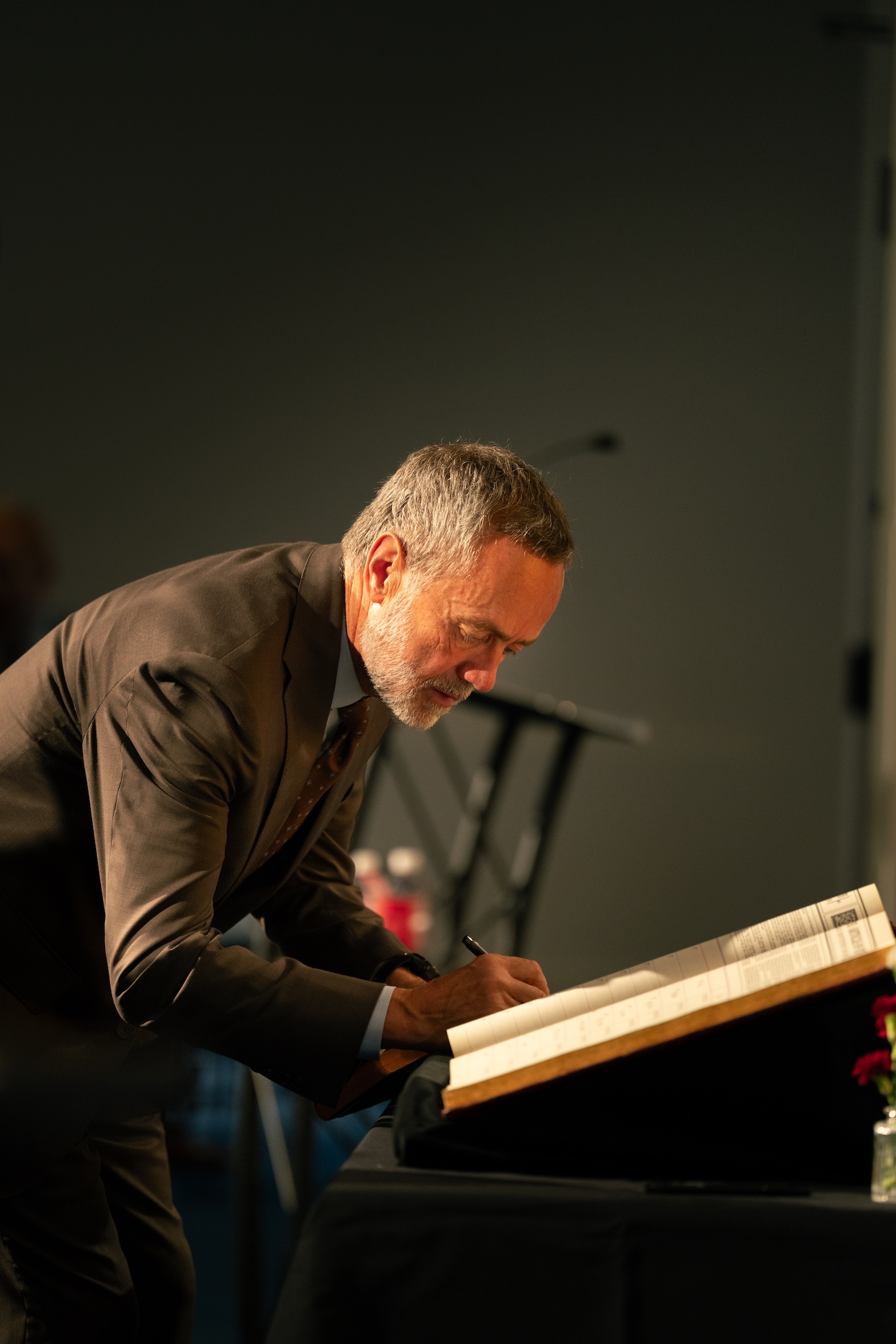
On September 18, 2026, a robust representation of the Biola community gathered in Calvary Chapel on Biola’s campus to witness members of the Biola University Board of Trustees, along with faculty and staff, pen their signatures on the pages of the Biola University “Workers' Register and Articles of Faith,” fondly referred to as the “Red Book,” signifying the 100th time this historic tradition has been observed.
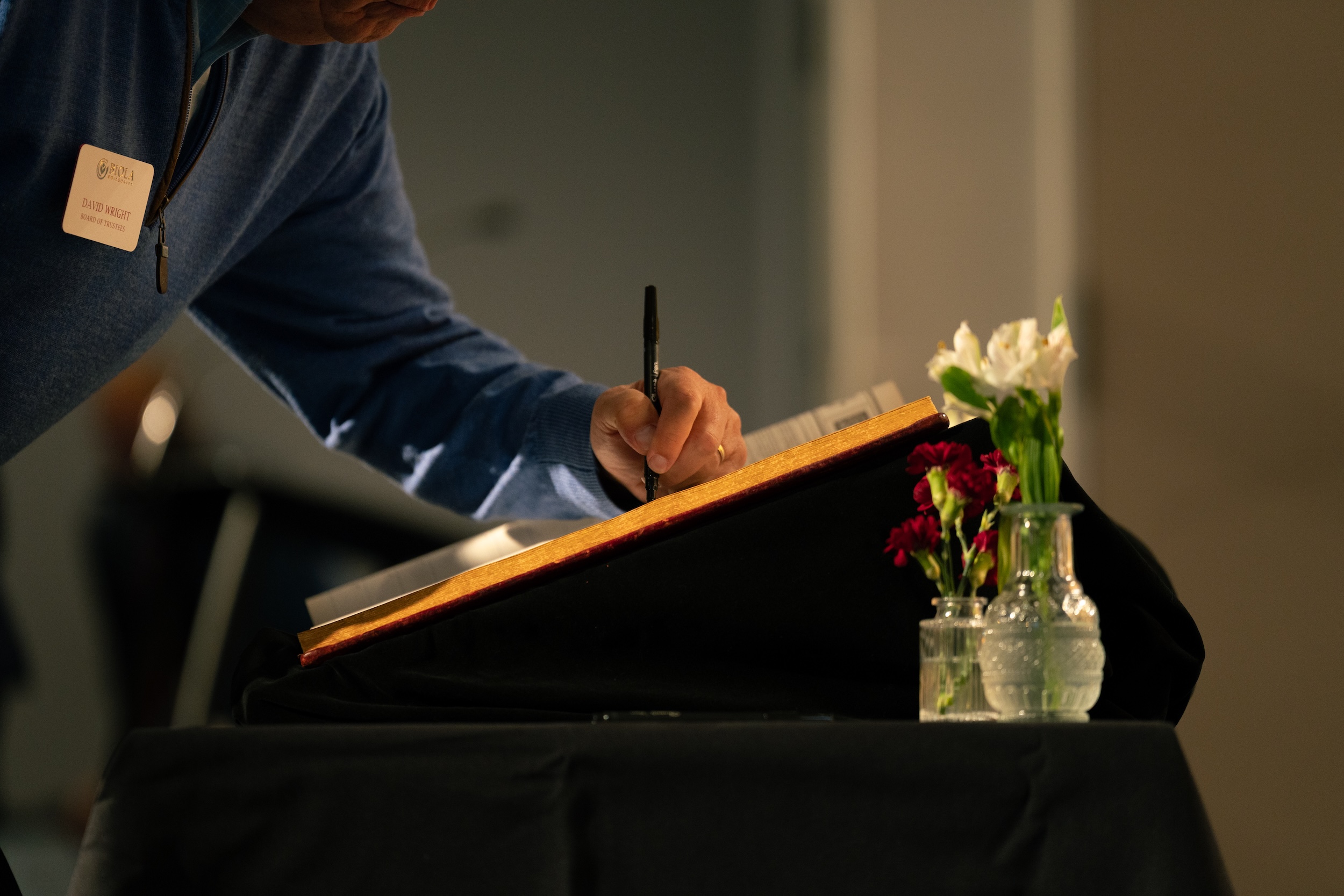
Printed across the top of every page are the words of Biola’s doctrinal statement — 13 “Articles of Faith” — with space underneath for the institution’s leaders to sign their annual affirmation of core evangelical beliefs about God, Scripture, sin and salvation through faith in Jesus Christ.
Since 1927, the Red Book has served one vital, enduring function: ensuring that Biola remains faithful to the central truths and mission on which it was founded.
To commemorate the occasion of the book’s centennial signing, a special ceremony was held on Biola’s campus, where members of the Biola community gathered to worship, hear the reading of Biola’s 13 Articles of Faith by select members of the trustees, faculty and staff, and witness the first signatures being added to the book this year.
“Today, we have the privilege of rededicating ourselves once again to the core beliefs of this institution. Annually, since the first signing of this book in 1927, it has been the tradition and solemn responsibility for each member of the Board of Trustees to affirm his or her commitment to these doctrines,” said Dr. Barry H. Corey, president of Biola, during his message at the ceremony. “This year, for the 100th annual signing, we are inviting all university faculty and staff to join the board with their affirmation and their signatures. In the spirit of that title on the front of this red leather-bound book, “The Workers’ Register,” all of us together who hold these truths on those pages to be true will stand shoulder to shoulder to re-consecrate the university’s commitment.”
For some members of the Biola Board of Trustees, this ritual is a long-loved tradition. Carol Hawkins, a Board member since 2005, shares a special connection to Biola history: her great-grandfather was the younger brother of Lyman Stewart, Biola’s co-founder. While Stewart affirmed the Articles of Faith, he did not live long enough to physically add his signature to the Red Book. However, his wife, Lula May Crowell, did.
“Every time I have the privilege of signing the book, it feels like I’m touching history,” said Hawkins. “It’s like linking arms through the decades with godly men and women of faith, and we have the same goal in our hearts of ‘equipping men and women in mind and character to impact the world for the Lord Jesus Christ.’ It is special when I’m able to find [Crowell’s] signature in those early pages. It does feel like there’s a connection in the spiritual realm, and it is humbling to be able to affix my signature to the Articles she too felt so strongly committed to.”
Along with Lula May Crowell, the signatures of many of Biola’s leaders, such as Louis Talbot and founder T.C. Horton, as well as influential Christians Dallas Willard and Charles Fuller can be found on the pages of the Red Book, physical reminders of people coming together and supporting Biola’s mission. Throughout the ceremony, the theme of God’s faithfulness to the world and Biola within it was ongoing, with the hymn “Great Is Thy Faithfulness” as the chosen song. Corey recognized the sacredness of the event, reflecting on the past and offering a hopeful charge for the future.
“In signing this book, with one eye trained on history and another on the future, we will recommit ourselves to keeping Biola University grounded in its convictions while moving her forward with courage,” said Corey.
The doctrinal statement in the Red Book, which is affirmed by all Biola trustees and employees each year, has remained unchanged since it was first published in 1912. Read the full 13 Articles of Faith and more about the Red Book. Join Biola's strong Christian community by applying today.
Written by Sarah Dougher, strategic communication manager and Jason Newell, senior creative director and editor of the Biola Magazine.