Biola University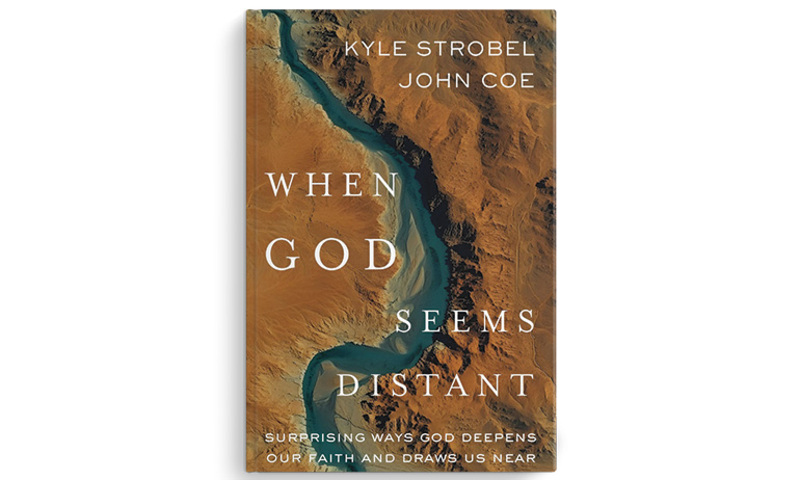
Although John and I had very different stories of salvation (I grew up in the church, and John became a Christian at the end of high school), we ended up walking through similar frustrations. After his conversion, John went to a church that focused on deep study of Scripture, and he was saturated with knowledge, devotion, and a vision of Christian faithfulness. My own experience focused more on exuberant praise, numerical growth, and serving the church. Both of us found our early years rich and rewarding. We both experienced incredible joy in the Christian life, and we both grew tremendously.
Although no one taught us this explicitly, through these early experiences of excitement, joy, and delighting in God, we began to equate our experience with God’s presence itself. We talked about God “showing up” when we felt passionate, as if God’s presence could be judged by our feelings. So when we experienced joy and excitement and the goodness of obedience, we felt like we could rest in the presence and comfort of the Lord. But years later something else emerged. We grew tired. We became bored. We kept on serving, learning, praising, and giving — in all the ways we knew how — but the initial joy wore off.
Had we done something wrong? Were we supposed to do more? Was our past sin catching up with us, revealing that God hadn’t really saved us after all? Was God punishing us? Worries and struggles rose from our hearts, and we didn’t know what to do.
Our churches put us on a good path when we were young in the faith, but we were given less direction as we grew, and even less in these darker seasons. It was like the confusion of puberty made its way into our Christian maturation, and no one was willing to talk about it. What we did share with others was met with well-meaning but often unhelpful responses.
Keep going.
Try harder.
Do more.
Our efforts began to feel more and more pointless. So we kept learning, serving, and growing, but our souls felt dry as dust, and we were left wondering if we misunderstood what the “rivers of living water” were. Our praise felt like our lips were moving while our hearts wandered far from him. So we kept toiling away at what used to work. John studied more. I tried to praise with more vigor. We both felt lost.
These struggles, and the questions they raise, have been the focus of our lives and work for decades. In differing ways, for the past thirty years we have both focused our lives on what growth into the likeness of Jesus is actually like. We have found immense freedom and joy in a deeper journey with the Lord in the truth. It is this journey we are inviting you to take.
When God Seems Distant is a book about growing in the faith and learning to navigate the confusing process of transformation. God’s ways are not our ways, a fact we often forget. We feel lost and assume that means we are lost. We feel dry, tired, and bored, and we imagine that God is withholding himself from us until we try harder and get ourselves together. Our assumptions, expectations, and beliefs need to be transformed by the Lord, who loved to say, “You’ve heard it said … But I say to you ….” If you have heard — directly or indirectly — “Try harder” or “Just do more” or even “Try these spiritual disciplines,” then we have good news for your soul. If you have gotten to a point in your faith where you feel lost or are wondering where God went or where the joy of salvation vanished to, then we hope this will encourage you. If you ever feel like you’re wandering in a desert, desperate for the waters of life, you’ve come to the right place.
Where Scripture turns our attention, of course, is Jesus. Jesus is the place where our experiences with God are made clear. Jesus is the perfect Son of God, and yet the Spirit sent him to the wilderness to be tempted by Satan (Matt. 4:1). Jesus is the One who, in desperate prayer, asked the Father to let this cup pass from him (Matt. 26:39). Jesus is the One who cried out, “My God, my God, why have you forsaken me?” (Matt. 27:46). Jesus is the true Son who nonetheless learned obedience through suffering (Heb. 5:8). To follow Jesus is to walk through these desert places and to come to know that the Lord guides us through the desert to the promised land. Allow the Lord to take you by the hand as your Good Shepherd who leads you beside quiet waters and restores your soul to guide you to the paths of righteousness for his name’s sake (Ps. 23:2-3).
Content taken from When God Seems Distant by Kyle Strobel (M.A. ’02, M.A. ’05, associate professor of spiritual theology and director, Institute of Spiritual Formation) and John Coe (B.A. ’79, M.A. ’83, professor of spiritual theology), ©2026. Used by permission of Baker Publishing Group.