Biola University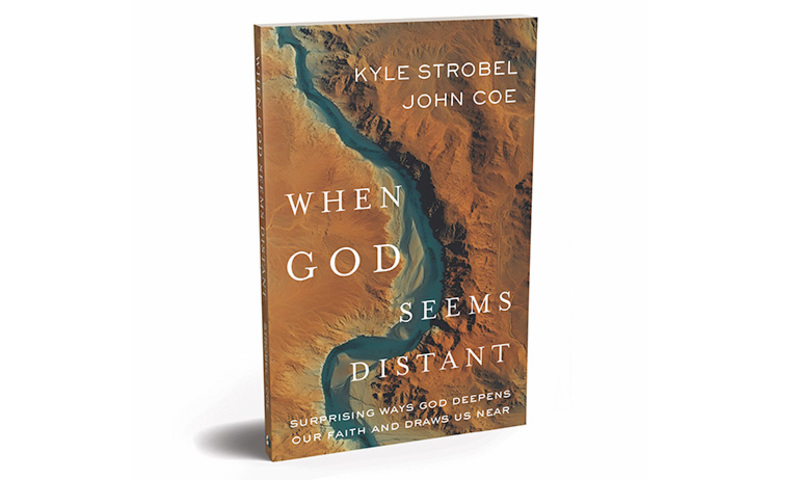
When we parent little children, we often fill their lives with the things that animate them. For babies, it is often blocks, dolls, trucks or some other toy that has captivated their imagination. Using things they find joy in helps them develop. When we are spiritual children, our heavenly Father does something similar. But instead of finding what we are already excited about, God infuses pleasure into things he wants us to love, like worship, Scripture and devotion. The same pleasure and excitement we derive through our love of sports, romance and bodily pleasure, he provides for us as we give ourselves to the things of God.
When a child grows, however, and her parents start pulling away toys and games and replacing them with homework and chores, there is a lot of kicking and screaming (sometimes literally!). But even in doing this, we often provide encouragement along the way to help fuel them to do things they don’t want to do. As early evangelicals used to say, Christian formation happens by weaning off worldliness to embrace godliness. This is true. But weaning feels like failure or abandonment — like something being taken from us — which is often why we can’t understand it.
The Lord is weaning us off worldliness and onto godliness for life in his kingdom. This is what God reveals as he leads us through the desert. He is removing the felt pleasure of the Christian life to unveil something of our heart. It isn’t horrible, but it feels dry. God now thinks we are ready to see what our character has become and to find him and his love in the reality of our brokenness and not just in consoling, spiritual pleasure. This is an invitation to abide in him in our weakness, brokenness and struggle as he reveals his power and steadfast love.
We do, of course, have a choice in all this. As we wrestle through our boredom with our mind wandering, we can either abide in him, or we can try to fix it with our own resources. We can either hide, pretending everything is fine, and try to fix our life, or we can tell God the truth, that we are bored with reading the Bible or that we are uninterested in prayer, and trust that he really is God, even in our badness. We can either seek to clothe ourselves in our goodness, or we can find his forgiveness where we actually need it, in the truth of our guilt, shame and rebellion.
In the desert, God is testing us to show us what is in our hearts and to call us to him. This is a gift. This test, as with Israel in the wilderness, shows us how much we are still filled with ourselves and how much our vision of life is still ordered to the world and the flesh rather than the Spirit and Christ’s kingdom. This season can be confusing, but it is the path to know how much we need him, so that we are growing in love (see Luke 7:47).
Content taken from When God Seems Distant by Kyle Strobel (director of the Institute of Spiritual Formation and associate professor of spiritual theology) and John Coe (professor of spiritual theology), ©2026. Used by permission of Baker Publishing Group.