Biola University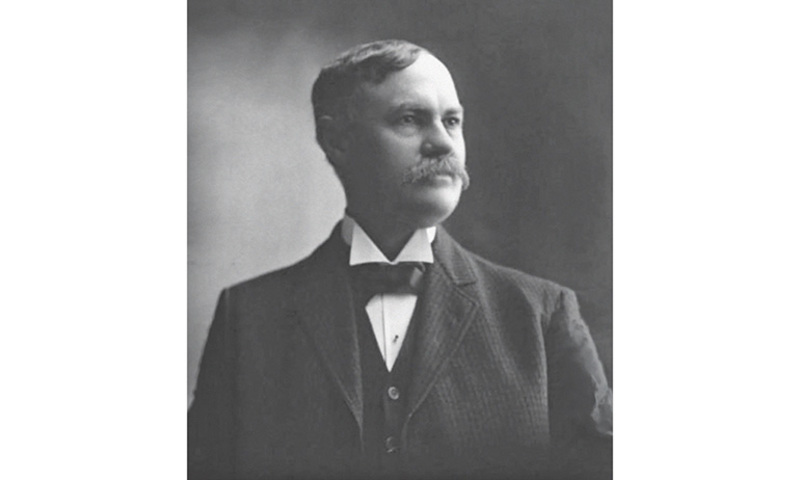
I gained a new Biola hero while writing this issue’s cover story.
S.I. Merrill is a name I hadn’t en-countered before, and I suspect you haven’t either. Unlike other key figures from Biola’s history, his name isn’t attached to any campus buildings or memorialized in the titles of any programs. But thanks to extensive research from Biola historian Paul Rood, Merrill’s story has recently been uncovered (and made available at biola.edu/magazine/merrill.)
Let me share just a bit of it here.
Born in New York in 1856, Samuel Ingham Merrill moved to the San Francisco Bay Area at age 20 to build a better life for his struggling family. There, he opened a small grocery store, found work as a bookkeeper and rose to become a bank manager.
God took hold of his life at a revival meeting in 1879, and from then on, Merrill became a relentless force in both entrepreneurship and evangelism. He moved to the Los Angeles area, where he launched and led a succession of businesses: a hardware store, a metal fabricating shop, a bookstore, an oil company, agricultural ventures and more.
Along the way, he invested his influence and wealth in gospel work — including establishing the first YMCA in Southern California. It was there, at a prayer meeting, where he met fellow oilman Lyman Stewart. Together, they helped start a ministry that eventually became the Union Rescue Mission, with Merrill serving as board president.
Two decades into their friendship, Stewart, Merrill and a small handful of other Christian leaders established the Bible Institute of Los Angeles.
When the Big Red Book — our cover story’s focus — debuted nearly two decades later, Merrill was one of three living Biola founders to affix his signature to the doctrinal statement.
To me, that black ink offers a powerful reminder: Our names may one day fade from memory. But the marks we leave for Christ’s kingdom will last forever.