It’s hard to talk about race, so we’re looking to Isaac Adams for help. Isaac Adams is the lead pastor of Ironside City Church in Birmingham, Alabama, and he recently wrote a book on race for Christians.
Tim and Rick have been discussing the practice of hospitable orthodoxy with Dr. Karen Swallow Prior. In this episode, Dr. Prior shares how reading the Great Books have helped her to cultivate a posture of hospitable orthodoxy to those with whom she disagrees.
Tim and Rick resume the conversation on “hospitable orthodoxy” with Dr. Karen Swallow Prior. In this episode, they consider examples of people who demonstrate this idea in action and provide us with examples of truth and love working in harmony.
It can be hard to love someone with whom you disagree, especially when those disagreements involve faith convictions and ideas central to identity. We don’t want to abandon truth in our aims to love, but we can also miss the mark by failing to love while holding fast to the truth.
We are two years in with the Winsome Conviction Project, so it’s a good time to stop and reflect on lessons we’re learning. Tim and Rick share what they are learning on having healthy communication during moments of passionate disagreement.
When disasters strike, people tend to put aside their differences and commit to work together to resolve the problem. These moments of crisis are instructive – they reveal our willingness to make “loose connections” with people we otherwise find disagreeable.
We’ve been talking with Gregg Ten Elshof (Ph.D.) on our need for shame. In this episode, Tim, Rick and Gregg pick up on notions of honor in order to cultivate a healthy understanding of shame.
Tim and Rick resume the discussion with Gregg Ten Elshof on the topic of shame. In part 2, they pick up on the ways communities influence personal feelings of shame.
Is shame good or bad? In one sense, it is bad. In another sense, according to Gregg Ten Elshof, author of the recent book For Shame: Rediscovering the Virtues of a Maligned Emotion, a certain kind of shame can be good.
Dr. Russell Moore joins the podcast to speak with Tim and Rick on issues and scandals in our cultural moment that erode trust in Christian leaders and instill cynicism toward the Church and the claims of the Christian faith.
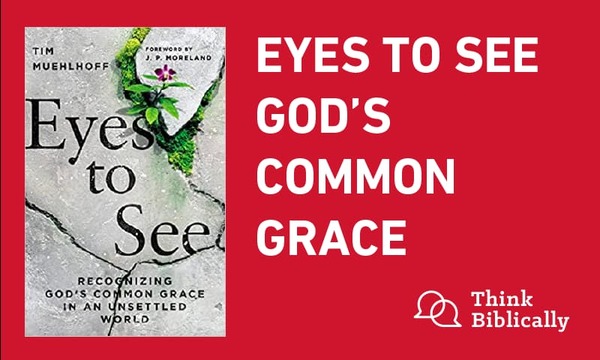
Tim’s newest book, Eyes To See: Recognizing God’s Common Grace in an Unsettled World, is out. Rick and Tim take up the book’s theme of common grace and consider how it impacts topics and issues around winsome conviction.
What do fellow believers think of you? What do non-believers think of you and your church? Ecclesiastes 7:11 says that “a good reputation is more valuable than costly perfume.” Watch or listen to Tim Muehlhoff’s sermon as he shares the importance of a godly reputation during today’s argument culture.
Christianity Today posted their annual list of top books that are “most likely to shape evangelical life, thought, and culture.” We are honored that Winsome Conviction: Disagreeing without Dividing the Church won the Award of Merit in the category of Church and Pastoral Leadership.
Tim and Rick continue the conversation with Dr. Theon Hill on the topic of radical rhetoric, and they press into the role of rhetoric in contentious issues such as critical race theory.
In the secular college environment where he studied, Tim Muehlhoff could have easily been marginalized for his Christian faith. Instead, he realized he didn’t just want to proclaim biblical truth, he wanted to have a conversation about it.
Tim and Rick resume the conversation with Quentin Schultze on listening. Manner matters in communication, and they discuss how the habit of giving thanks affects how we communicate with others.
Why is listening so difficult? In today’s argument culture, listening is especially difficult, and it often seems as if we have an incapacity to listen.
Tim and Rick continue the discussion with Cas Monaco on sharing the gospel in modern times. In Part 2 of this discussion, Dr. Monaco shares findings from a 2016 survey on the climate of evangelism in America.