Master of Arts – Science and Religion
Overview
Christians who train in the sciences often feel pressured to compartmentalize their faith from their profession, or do not feel equipped to address or change the cultural stereotypes regarding science and faith. The Master of Arts with a focus in Science and Religion is designed to provide scientifically literate individuals with the essential background in theology, history, and philosophy that is necessary to integrate modern science with Christianity.
- Build confidence to defend the Christian faith. Defend the Christian faith within the field of science by learning through advanced seminars focused on current theological issues within specific scientific disciplines.
- The only science and religion master's program of its kind in the United States. Receive cutting-edge training within this academically rigorous specialized degree.
- Learn to integrate Christianity and science. Gain the insight and knowledge you need to grapple with challenging questions about intelligent design, life outside this universe and more.
- Flexible online learning. Finish your degree with online learning opportunities, and take classes that fit your busy schedule.
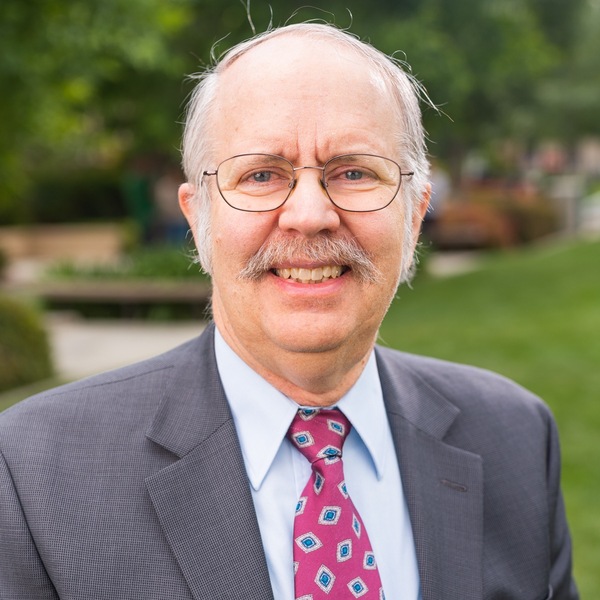
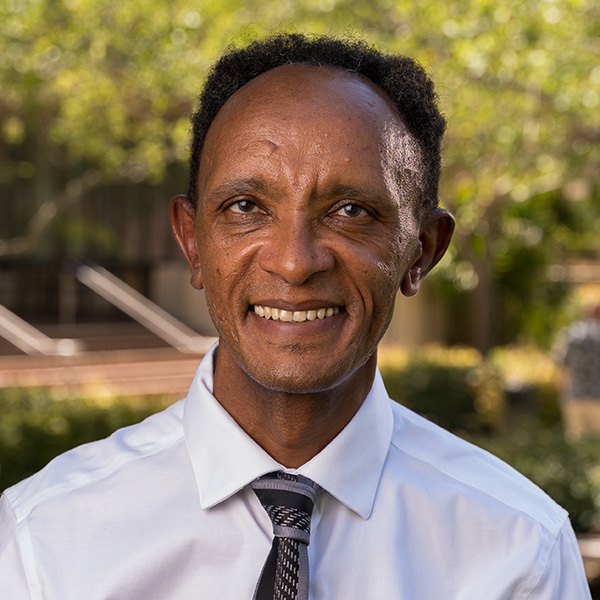
- Distinguished and expert faculty. Learn from scholars such as John A. Bloom, Mihretu Guta and others.
Learning Format
Students from across the world can study online under the best and the brightest in apologetics, science, theology and philosophy. Join this robust and engaging online academic community — tackling the most challenging and consequential issues of our day.
Students will also have an opportunity to take a one-week advanced apologetics course on Biola University's La Mirada campus during the summer.
Yes! Tell Me More!
Admissions & Deadlines
As a Christian institution, Biola seeks to admit applicants whose backgrounds clearly demonstrate scholarly aptitude, a commitment to the historic Christian faith, personal character and integrity, and a positive service-oriented motivation toward their field of study. Biola does not discriminate on the basis of the applicant's race, color, sex, socio-economic status, disability, or national or ethnic origin.
Education and GPA Requirements
- You must have a bachelor’s degree from an accredited institution by the time you plan to start coursework at Biola, with a minimum grade point average of 3.0 (on a 4.0 scale).
- It is not a requirement that this bachelor’s degree be in Bible, theology, or a related discipline, but a background in a field of natural science is highly recommended.
- Note: If you do not meet the degree or GPA requirements above, you may still be considered for admission. Please contact the Office of Graduate Admissions office at graduate.admissions@biola.edu. If you are an international student, contact grad.international@biola.edu.
English Proficiency Requirements
- If English is not your first language, you are required to display your English proficiency before admittance into a Biola University graduate program. See “English Proficiency” in the application steps section below.
Application Deadlines
- Fall Semester
- General: July 1
- International Students
- On Campus: June 1
- Online/Hybrid: July 1
- Spring Semester
- General: November 1
- International Students: October 1
Visit Biola
Explore our sunny Southern California campus in person or virtually. Learn more about your program of interest and the admissions process by scheduling an appointment with an admissions counselor.
Meet Your Admissions Counselor
If you have more questions about the program, admissions process or Biola in general, schedule a phone call or send an email to your admissions counselor.
Graduate Admissions Counselor

Email: jackson.p.mckay
Phone: (562) 903-4752
Text: (562) 667-0391
Book a Phone or Virtual Appointment
International Graduate Admissions Counselor
The Office of International Admissions serves students who are not citizens or permanent residents of the United States.
Email: grad.international@biola.edu
Book a Phone or Virtual Appointment