Episode 157: Resilient Neighbor Love And Leaning Into Difference
One of our favorite segments involves stories of “people who are doing it right” — people who are demonstrating winsome conviction in their local communities. On today’s episode, Brandon Pasion, a worship leader in the Bay Area, speaks with Tim and Rick about his experience doing bridge-building work between the church and a local school to help bless families at the school. While the partnership is unique and involves a depth of personal connection, these efforts have also involved painstaking discussions around holding differing convictions on matters of gender and sexuality.
Transcript
Rick Langer: 00:02 Welcome to the Winsome Conviction Podcast. My name is Rick Langer, and I'm a professor emeritus here at Biola University. And also one of my favorite activities is working on the Winsome Conviction project with my good friend Tim Muehlhoff. And uh one of the things we enjoy doing is putting together these podcasts, but part of it's because we get to hear some wonderful things that are going on. So, Tim, tell us a little bit about who we have joining us for our podcast today.
Tim Muehlhoff: 00:26 Well, Rick, one of my favorite segments really is what we just simply call people doing it right. Like the headlines are filled with all the rancor, all the cancel culture, and and rightfully so. I mean, that there are things that are going bad in our country, in our communities, but equally, there are things that are going well, but we just it doesn't rise to the level of the national news or the national discourse. So when we hear these great stories, we'd love to just bring on guests to say, tell us a little bit about your experience. So Noreen and I got a chance to go to Mount Herman family camp here in California. Have you been there before, Rick? I have been there before. It's a beautiful spot. Oh, it's awesome. And they do such a great job. Uh, we spoke on marriage, but one of the huge pleasures is that the worship was off the charts uh the weekend that we were there, Rick. And Brandon is a worship leader. So uh between um sessions, Brandon and I got into a conversation and he told me an amazing story. And immediately I thought, okay, we need to have him on uh for the segment, people doing it right. So uh Brandon, welcome to the Winsome Chicken uh podcast. Um it's great to have you. Can you uh introduce yourself and what you do, and then uh a little bit of this partnership, an unlikely partnership, uh, and then we'll talk about some of the challenges of that partnership.
Brandon Pasion: 01:55 Yeah, can I just say I'm so excited and I want to tell my wife that I'm on a people doing it right podcast because I so often do it wrong. This is a major landmark for me. That's right. Um yeah, so thank you guys. Um, I've been looking forward to this and for hanging out with you again, Tim. We had such an awesome weekend, and you have so much wisdom, you and your wife. And um, yeah, so I think what's kind of important um to know about me, I've been a worship pastor for a couple decades. Um, and in the church world, that means that I've focused mostly on like the hours that you go to church. So I'm curating those environments and working on all the production and the worship sets and the bands and all that kind of thing. And uh, but about three years ago, the Lord steered me um in some kind of crazy ways to help reshape what we're doing as a church missionally in our community and globally. And I piped up at like a lead team meeting one time and I got assigned this thing. Um, and I prayed about it and felt like it was it was God's um kind of next thing for me. And so I stayed in the worship world, but I added the missions world. And the first thing I felt like um we needed to do was go into the community, and we didn't really have much relationship with the community at all as a church. Um and so I was just looking around. I had had I'd seen a model, uh, a lot of churches doing this where they go into schools and kind of help schools thrive. And so I just went to this school and that was in a local kind of little poverty pocket where we live in the Bay Area. And um, I just asked the principal, is there anything we can do to help serve you guys? And they were very reticent to partner with the church and kind of blew me off. We're like, yeah, thanks, um, but we don't want that. And I was like, okay, I guess back to the drawing board. I don't know how to be a missions pastor, but I'll just keep trying. And a few weeks later, they called back and they said, Hey, you remember when you said, is there anything you can help us with? I said, Yeah. I said, Well, we're gonna do, we've been trying to do this store where we opened kind of a Christmas shopping experience for some of our families. Um, we we let them come and shop for free and they can buy presents. Um, but our PTA has not raised enough money, and we're wondering if maybe you guys could provide some presents. And I was like, heck yeah, we can do that. Do you need present wrappers and all this kind of stuff? So that started our relationship. And um we really started building trust with this school. And for three years now, we've done some awesome, awesome stuff with them. And we've built this amazing relationship. That's the thing I'm the most proud of. Uh, they don't think of us as weird, uh, crazy Christians. Uh, we're just people that they love and we're part of the lead elementary school family. Um, so that was really cool. And to the point where they came to me and they said, Hey, we want to thank your church. Is there any way we can come to your church and uh thank them personally? And I'm like, in a service? And they're like, Yeah, I go, have you been to a church service? Like, do you know what you're gonna get? Like, like us being a church almost wasn't part of the conversation because they were so they were so uh gun shy about partnering with with a with a religious organization, let alone a Christian one. And so it kind of was shocking that they were bringing up the fact that we were a church, let alone they wanted to come. But I was like, hey, uh I could interview you guys on stage if you want. And so they decided to come, the her, the principal and the assistant principal, and they came to our church. They sat through the whole worship time. I'm watching them, like, is this weird for them? What other environment, you know, do you go and just sing songs? And um, and so everything went so great. The interview was like the most vision-impacted moment you could ever have. The principal of this secular school stands on stage and says, Thank you for loving your neighbor. We we are your neighbor, we feel the love, and thank you. We're so grateful that you kind of forced your way into our into our world. So we're on cloud nine. I mean, life is good. We're debriefing it in the meeting, we're celebrating on staff, you know, like, oh my gosh, you guys, like, just see what happens. Like, you don't have to force your way uh to try to evangelize. They start seeing love and it becomes this beautiful thing. And then they call a meeting, and we're thinking it's because they uh this is the very next day, like Monday.
Tim Muehlhoff: 06:51 We're thinking the very next day, the very next day after they've been there on Sunday.
Brandon Pasion: 06:58 And they told us it was an incredible experience. They they that's the one thing they said while they were there. Um, and there was a million little things that went well for them. Uh, but yeah, the next day. So I'm thinking they're getting flooded like we are with people that want to serve, and they want to make sure that we have a volunteer management situation. So we came prepped with all that. Like, hey, like send them to us, we'll put them in the system. This is what we're gonna do, this is how we'll do it. And what we ended up getting was a very different meeting. Um, the principal had um heard something in our service about elders, because we were we had elders in our leadership structure. We're we're a I I think they call us loose complementarian uh uh church. And so we we have pastors that are women. In fact, there was a pastor that was preaching that morning that was a woman, um, but but they don't hold the office of elder in our in our church. And um, so she had heard that we were like um praying over a couple of new elders that were joining our team. And in the video that we used, they said male elders, and that just kind of stuck in the principal's head. Um, and so she went to our website and dug and dug and found our white papers. And we have just kind of like what we believe about stuff. And so she read the one on women in ministry, she read the one on LGBTQ, um, she read the one on women in divorce, and she had them all printed out for us, and she basically said, This is like they were almost crying uh when they were telling us. They were like, This this hit us so left field. Everything we've seen in you does not match what's in these papers. And um, we there's just no good way we can continue this partnership.
Tim Muehlhoff: 08:57 And you must have been dead, you must have been talking about talking about you know, left field, you must have your jaw must have hit the ground, what you expected that meeting to be.
Brandon Pasion: 09:10 I'm an emotional guy as it as it is anyway. And I had spent three years of this journey trying to follow what I thought God was asking me to do. And so it wasn't just it wasn't just the letdown of the school. I felt let down even by God in that moment where I was like, God, I thought you wanted me to do this. And yeah, so it was it was that was very devastated.
Tim Muehlhoff: 09:41 Um but I love just make a communication point because we know the rest of the story, Rick and I. But this is the power of a communication climate, though. When a climate, three years making a climate that is strong, strong enough that they want to come to a service and praise. Tough times are gonna come to every climate. The climate of a marriage, a family, an organization, a country. But but when it hit, there was something that had already been laid down, a foundation, but it was about it was getting really challenged because of how they're interpreting these white papers and things on your website. Um, and you're hurt, they're hurt. Um, so welcome to America. The story ends right here. Right? We're done, we're done with you, you're done with us, we won't partner anymore. Uh, you're canceled, we're we're finished, but that is not the rest of the story. So, can you tell us a little bit about what happened next?
Brandon Pasion: 10:50 Yeah, so we changed our theology. No, I'm just kidding.
Rick Langer: 10:53 Um Brandon, that wasn't the right answer. Just so you know.
Brandon Pasion: 10:58 Was this people doing it wrong or people doing it right? I can't remember.
Tim Muehlhoff: 11:02 This should be wrong. This should be a new segment, but thank you for being a pioneer.
Brandon Pasion: 11:08 Yeah, so I I went to uh so we were there, and before we left, I just said, listen, um, you know who we are. You've seen us over three years. We're not trying to uh, you know, trick you. Um and also the stuff that you found on our website is where our church stands on a lot of this stuff. Um, and I would ask that we could reconvene and just have a discussion. And since you're bringing up matters of theology and that kind of thing, if we could just maybe give you some of the nuance and how we hold some of these things. And I and I knew I knew particularly, we had just gone through uh that segment. Is it in I can't really remember where it is, is it in Matthew or whatever that talks about divorce? Um and I I had remembered that there was something around there that was actually meant to protect, Jesus was actually protecting women. Um, and I couldn't remember exactly all the talking points around it, but I knew that the way that she was reading that whole thing was um it wasn't, she wasn't getting a right perspective on it. And so I just asked if she'd be willing to have just a conversation, even if the end of it is that we don't partner anymore. And I and I let them off the hook and basically said, look, like we don't want to force a partnership on you. If you guys don't want it or you don't feel right partnering with us after we had this conversation, like we're we'll be in agreement with you, that's totally fine. So they said, Yeah, let's take a couple weeks. And I called our lead pastor and told him uh what had happened. He was disappointed. And we didn't like overly prepare for the meeting. Um, I mean, I think I think we kind of made sure that we knew what we wanted to say if they asked us certain questions, but we wanted to sort of open it up to them and say, what questions do you have about this? And then we can help provide like where where where is the tension? Where is the rub? Um, and so we showed up and she had stuff highlighted um in the papers, and she brought up some of the stuff she brought up with me, with our lead pastor, and we just kind of went through it and talked about it. And at the end of the day, uh, I think the thing that changed the conversation is during the LGBTQ section, uh, my pastor started with um this has been handled wrong for that community more than it's been handled right. And we don't want to be that kind of church. We don't want to be the church that villainizes you or makes you guys feel makes makes LGBTQ feel like they're other, they're loved by God. And um, you can tell that that was, I think, maybe the core central issue. And she after that, she sort of her guard came down and she said, My daughter's uh gay, and she she I've been telling her about you guys and how great you are, and I she's gonna be devastated to hear about this. And you can just tell, like she was trying to make sense of it all. And we ended up by the end of the meeting, we ended up getting to a place where she agreed that she always knew that we were gonna hold different ethical positions on certain things. Um, but she was worried that we were going to try to, you know, in the same way that she was worried when we first were gonna partnership, that we were gonna try to convert them or try to, you know, go into one of their teachers that is gay and tell them that he's a horrible sinner and that kind of thing. And so we we had about an hour and a half to two hour conversation with them, honestly, in the principal's office talking theology and going through different sections of scripture. And um, at the end of it, she basically said, I don't, I don't want to like make hip shot decisions, uh, but like I we know you guys and we know who you are, we know your hearts, we know that you're here to serve, and um we want this partnership to keep going. And um thank you for helping bring clarity. And we didn't change our theology and we didn't change our posture. What we did do was we haven't looked at those white papers in forever, and we were like, you know what, honestly, this doesn't match the these were written in the 90s. This posture, even though the theology might be pretty accurate, the posture didn't match our posture. Um it didn't, it didn't really even include anything. It was a black and white paper, it was very clinical, and um and so we kind of told them we're gonna go back and revisit this and and update these papers to include what is that experience for someone that's divorced that comes to our church? What is that experience for someone that's LGBTQ that comes because we have those stories and how that actually looks um and how we hold those people. Um, so yeah, it was a scary moment, but I think it honestly brought our whole relationship a lot closer.
Rick Langer: 16:23 Yeah, so uh this is a such a great story, Brandon. And a couple of things I just want to highlight and maybe have you tell a little bit more about, but one of them is uh the the depth of the personal connections that you guys had made, three the relational connections. As Tim was talking about, there's kind of a conversation climate, the communication climate, but there's also this sort of underlying soil of the human relationships where you you begin to connect with each other, even though you know there's there's differences. And so I just I love the fact that you guys invested three years of time and effort into another set of people who have some real needs that you were able to meet. Um, and what a great way to express neighbor love. Uh, the other thing is I love leaning into the difference and saying, okay, let's talk about this, not let's minimize it or say, oh, no, no, no, you miss misunderstand it isn't uh that big an issue for us. There's so often the way we try to solve these things is to try and downplay the fact that there's a real difference. And Tim and I have hit this before with bridge building things, like uh one of the groups we're part of, we we heard them talking about like you know, Christian and theological differences between different religions. And it's like they're trying to make it all go away. And we're like, guys, we aren't Buddhist, we aren't Muslim. There, there's no way you can repaint it like that can go away. So we've got to figure out a way to be able to appreciate and understand the differences and still respect the person on the other side of the table. And it seems like you guys did a really good job of that sort of a process there. And I don't know if there's any other details you can give with how that went, but that to me seems to be a really key thing that you guys didn't did well.
Brandon Pasion: 18:18 Yeah, it's it it's interesting that you bring that up because one of the big conversations that we've been having at our church, um, and a big tension I'm feeling in our world today that you just spoke to, and that is that we've sort of lost our ability to have discourse of any kind if there's disagreement. And um so we fought some battles early on with people in our church when we started this partnership because we weren't proselytizing. Um, we weren't coming and forcing ourselves. And that was sort of that was sort of part of the journey that I went on in this missions world was realizing that so much of modern missions is about us bringing our expert faith to people that don't understand. And we sort of do this like conquering thing where we come in and we say, here's what we believe, and here's why you need to believe it. And I wanted to change our posture with that and say, and go to the people that are already doing stuff and say, how can we join you on your effort and um along the way show them what we who we think God is, but not in a um, not in this like conquering kind of thing. So we went into this partnership and there were some people that wanted us to do more, even this nonprofit that we partnered with wanted us to do more uh proselytizing stuff. And A, we knew that that would get us kicked out of the school. Yeah. Um and B, it just that wasn't, it wasn't the time they weren't asking those questions yet. Um, so after after this big conversation, I realized when would I have been able to have a a theological conversation with my lead pastor and a principal in any other context, other than that we were able to share space and coexist for the good of our community together for three years, and then finally ask the question, why are you guys doing this? Like what why are why are you why is why are you spending so much time and energy and effort? Um, and it's piqued their interest. So yeah, I agree a hundred percent. I think the only thing we did was just even in the big conversation, Rick, it was it was we're ask us questions, we'll ask you questions, we're not gonna force any kind of um thought on you at all. Yeah.
Tim Muehlhoff: 20:43 A quick, a quick uh comment and then a question. The Harvard Negotiation Project says people are not beetles under a microscope, they have lives, and so I love the reminder that the principal's daughter is is a huge part of this conversation. It's not just let's just debate these topics, it's I have a daughter, and I'm really thinking about her right now. That is such a humanizing moment in that entire conversation. Second, uh we we have thought about this, the public outfacing of our websites. Like we do something called the Pomona Dialogue, which is a liberal arts college, uh, and even Brigham Young University, but you go to our website, go to our doctrinal page, and it is bullet pointed some of our most radical beliefs. There is no explanation, no compassion, no anything. We just bullet point pretty radical beliefs to outsiders. So I really meant so do you took down the white papers? Are they down right now? Are they in the process of being rewritten?
Brandon Pasion: 21:54 They are under construction right now. Um so that's kind of on. The we we're really strongly elder led. And so that's we've had to bring this kind of up to the elders after the conversation. Um, and so we haven't taken them down yet because the elders are concerned that that's gonna create all kinds of like, oh, what's going on now? We have a new lead pastor who's been here for like five years, and they're all waiting for him to come out and say his political affiliation. And so they're like, we don't want people to just assume that, you know, we're gonna go in some crazy new direction. And so, but they are actively kind of um rewriting the papers, yeah, to reflect our posture. And, you know, one of the conversations that we've been having is it is loving. There are there are other churches that don't have anything, but they hold a conservative view, let's say, on LGBTQ. And LGBTQ people will attend the church and want to get involved somewhere, and that's where they hit the wall, and they're like, what? We thought you guys were affirming. And they're like, Well, we just didn't want to put that on our website. And so, yeah, we're looking at a way where we can say what we believe with the posture of why we believe it, which is hard to do, you know.
Tim Muehlhoff: 23:14 And the right tone, see that, and the right tone, the compassionate tone that just needs to be, you know, when we're we're talking about really hard issues, because the tone you guys matched in the face-to-face meeting, I think that kind of tone needs to be, and I'm speaking to us as well. I'm speaking to Biola. I think we need to, if we're gonna lay out our most sacred beliefs, our doctrinal beliefs, which we're not shying away from, neither were you. But I think I think they need to be written in more of a compassionate way for people to fully get our heart behind the conviction, not just the conviction. 100%. Yeah. So and let's see where tenure gets us, Rick. No, I'm kidding. But Brandon, anything, any I this is this is the story we need to hear. Is we just literally uh interviewed a person, Brandon, talking about resilient love. And I think this is such a great example of resilient love, of saying we're not just gonna walk away saying we were harshly judged by this school and we'll you know shake off the dust. You pursued and continued to pursue that relationship. And so now you're in a partnership, right? With this, the partnership continues.
Brandon Pasion: 24:37 Not only are we in a partnership, but uh the relationship now has gotten it's deepened. Like I would say there are now like the we had the assistant principal reach out to one of the people that's been heavily involved on staff for some help family support. Um and they're kind of letting us on the inside, you know, behind the scenes of what's happening at the school and how things are shifting and changing. It feels like it, we are almost like on the inner circle now, um, which is just such a we just have a close relationship with them now. And yeah, it's not just a partnership where a church is helping a school. It's um it's so much deeper than that. And the district is starting to notice now other schools are wanting to partner with us. It's it's a cool, it's a cool thing. That's really great.
Rick Langer: 25:33 That that's so good to hear. I and and uh like like Tim says, this is part of why this is one of our favorite segments. It just kind of puts a smile on your face to see things like in the midst of all the chaos that we talk about. And it's true, you know, these things really are going on that are bad, but to say, you know, there's steps you can take that that can really be good. And and the other thing I appreciate so much is those steps don't have to mean, therefore, I abandon convictions. The reason we call up the Winsome Conviction Project is our concern is forming healthy convictions, not dismantling convictions. And uh, you guys did a great job of saying, okay, we want to do that. And then even thinking, okay, so we put this up there on the website, we wrote it up 30 years ago. Now people are reading it through today's lenses. What are we missing? And the point is not to say, let me change the theology, but this help people to hear our theology because 30 years ago, when we put it up there, people heard it fine at that point. Nowadays they don't. So we still need to communicate effectively. We don't change the theology, we don't change our convictions, but we absolutely figure out how we can best communicate them in our cultural moment because those things change.
Tim Muehlhoff: 26:44 And let me just end with this question, Brandon. Of all the recent uh speakers you've had at Mount Herman on marriage, who would you say maybe was your favorite? Wow. Hey, but seriously, Brandon, honestly, uh these stories are popping up all over the place. We are blown away by both Christian and non-Christian neighbors really saying this incivility has to end. It's gotta stop. And we're seeing remarkable things. And this is such a great example of living out neighbor love even when it's not convenient and even when there's bumps in the road. So thank you so much for the example of your church's setting for the rest of us.
Brandon Pasion: 27:27 Absolutely. Yeah, thanks for having me on, you guys.
Tim Muehlhoff: 27:29 Absolutely. Hey, thank you for listening to the Winsome Conviction Podcast. Uh, go to winsomconviction.com. You can see all of our archived podcasts. You can sign up for a quarterly newsletter, and uh we have a ton of free resources. Please check those out.
Authors
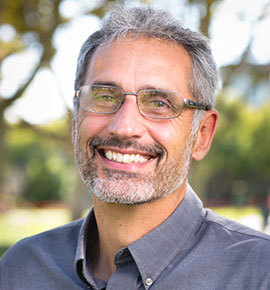
Rick Langer
Rick Langer is a Professor of Biblical Studies and Theology and the Director of the Office of Faith and Learning at Biola University. He specializes in the integration of faith and learning, and has also published in the areas of bioethics, theology and philosophy. He has a passion for helping Christians of all ages understand the connection between the Gospel and all the diverse facets of the created order in which we live. Prior to coming to Biola, he served for over twenty years as a pastor at Trinity Evangelical Free Church in Redlands, California.
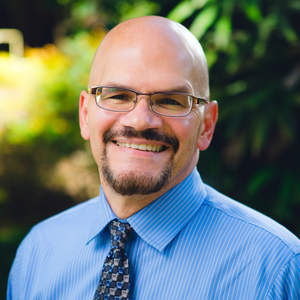
Timothy Muehlhoff
Tim Muehlhoff (Ph.D.) is the Senior Director of Biola’s Winsome Conviction Academy that seeks to reintroduce compassion and civility into our disagreements. He is the co-host of the Winsome Conviction Podcast where people with differing viewpoints are brought on for engaging dialogue. Tim has written extensively in the area of cultural engagement and conflict including I Beg to Differ, Winsome Persuasion, Winsome Conviction, and his newest book (co-written with Sean McDowell) is End the Stalemate: Move Past Cancel Culture to Meaningful Conversations.
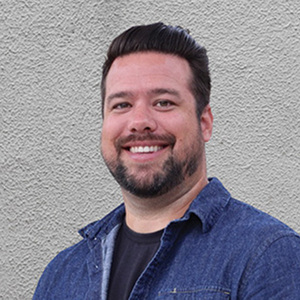
Brandon Pasion
Brandon Pasion is a worship leader and recording artist in the Bay Area.