Episode 154: Getting To Know Turning Point USA
On today’s episode, Tim and Mike speak with special guest Lucas Miles, a pastor, New York Times best-selling author, and the Vice President of Turning Point USA and the head of TPUSA Faith. They discuss the mission of Turning Point USA and TPUSA Faith; doctrinal matters that influence unity and disagreement among churches; and whether ministries who disagree on theological issues can work side by side on projects that demonstrate neighbor love to others.
Transcript
Mike Ahn: 00:02 Hey everyone, welcome to the Winstom Conviction Podcast. My name is Mike Ahn, Dean of Spiritual Development at Biola University, and Associate Director of the Winston Conviction Project, and also a co-host of this podcast. I am joined by my spiritual mentor, Dr. Tim Muehlhoff, and I'm so glad that you're we get to have this interview today.
Tim Muehlhoff: 00:20 Well, thanks, Mike. Uh, we have a special guest today. Uh, last year, at the request of several of our students, Biola started its own Turning Point USA chapter. As a Christian university, we were particularly drawn to the part of Turning Point USA's website explaining that the movement is rooted in faith. Since we uh have our own chapter, we thought it'd be really good to get to know each other, especially uh talk about their shared commitment to faith. To do so, I'd like to introduce somebody that I met last year, Mike, uh, had a one-day visit. His name is Lucas Miles. Uh Lucas is an ordained minister since 2004. He is the lead pastor of Nfluence Church in Granger, Indiana, the president of the Nfluence Network, author of his newest book, A New York Times bestseller, uh, called Pagan Threat, and vice president of Turning Point USA under the head of uh Erica Kirk. And he's the head of Turning Point Faith. Lucas Miles, welcome to our podcast.
Lucas Miles: 01:22 Hey, thanks for having me on, guys, and uh great to reconnect.
Tim Muehlhoff: 01:25 Yeah, it was great uh that time that we had just a brief, like a half day visit last semester. It was really uh good to get to know you. Um we are interested, Lucas, uh, that if somebody were to ask uh what is turning point USA, I think some of our listeners are aware of it, but not fully aware of. I mean, maybe they understand who Charlie Kirk uh was, but what is Turning Point? And then what is Turning Point USA Faith?
Lucas Miles: 01:54 Yeah, absolutely. Um, you know, I always appreciate the opportunity to talk about these things. Uh Charlie started um Turning Point USA about 13 years ago, and you know, it obviously has grown into a um uh a very robust and effective organization at the front lines of of uh on the culture war. And, you know, Charlie uh was very outspoken. He's probably one of the most filmed people in the history of humanity. I mean, there's so many clips of his from his prove me wrong and pick up the mic events to you know on stage events to uh you know times when he was, you know, sharing the stage with the president and different things like that. I mean, just uh what a remarkable life he lived. Um, and you know, I I he brought me in about two years ago into the organization to oversee TPUSA Faith, which is one of the divisions of Turning Point USA. So within kind of the the whole ecosystem that Charlie, you know, really mastermind and designed is there's sort of two major uh aspects. There's the the C4 side, which is um turning point action. And most people know that from kind of the election cycles and and their work on the campaign trail um and uh voter registration and all those sorts of things. Uh and then there's also um Turning Point USA, and Turning Point USA is a C3, uh, and so it's a nonpartisan uh uh organization that is really at the forefront of the culture war. And so um, you know, people when they think about turning point, they oftentimes kind of just see that all as one thing, but it's actually two separate uh organizations that are there. And within uh Turning Point USA, we have various divisions from our college and high school chapters. We call our uh high school chapters Club America on our college uh national field program. Um, and and then we have things like Turning Point Education, which is focused on Christian education, uh, as well as TP USA Faith, which is my team, um, that is uh focused. Everybody always thinks that Turning Point is only, you know, kind of a young person organization. My uh the average demographic that my team is reaching out to are probably 50-year-old pastors, you know. So we we have a field team that that uh focuses on reaching out to senior pastors. And we have grown. When I first came into the organization two years ago when Charlie brought me in, we had about 3,200 pastors that we were working with to now um about just over 12,000 pastors that we're now affiliated with. And so there's been very significant growth in a short period of time, which we're very proud of. Uh, but we also we recognize the the series of the moment that we're in, and and there's a lot of sobriety and humility, you know, that we that we approach this relationship with. We want to help steer conversations for Christians in a in a biblical way, in a biblical framework, and um and help people, you know, really navigate uh um the these, you know, just the the topics that they're facing so that they can think biblically um the way I would describe it in in the bedroom, in the boardroom, and at the ballot box. And I think that, you know, if if we're discipling people well, they can do all three of those things.
Mike Ahn: 04:52 Yeah, thanks. That's amazing. Hey, you know, you were talking about Charlie Kirk really quick. Lucas, I'd love to hear first, again, he was tragically assassinated September 10, 2025, you know, engaging students on a campus, uh, Utah Valley University. But is there something about Charlie that isn't mentioned in the news, maybe? But what what is something about him that drew you to him and and his ministry and what he was doing um across America?
Lucas Miles: 05:17 You know, I I got to know Charlie in 2020 and um was just uh uh it was an honor of my life to serve him. I I didn't apply to work at Turning Point. I didn't uh it wasn't a job I was looking for. He had reached out to me and invited me on the team and just felt that the moment required somebody coming in pastorally to really help shape and guide uh the future of TPUSA Faith. And I thought I understood why he called me originally. Um, and I think since September 10th, it's become, you know, just clearer and clearer to me of, you know, really why I'm here. Uh Charlie was a man of tremendous faith. You know, my favorite moments with him, I won't, I won't share probably a lot on the the behind the scenes of his life, other than I had the utmost respect for him. But I will say this is that my favorite moments were him with him was talking about theology. He loved, loved theology. And uh we did an event um called Freedom Night in America that we still do, that I now host, that uh at the time Charlie had started it probably four years ago, and he hosted it once a month. It was at Dream City Church in Phoenix, and and um we would have a different thought leader guest out, you know, uh, and from all different backgrounds and perspectives, you know, you'd have um, you know, some really strong charismatic thinkers in in the church, and then you'd have, you know, some really strong guys in the reform space or something. So, you know, it's just kind of always uh this eclectic, you know, mastermind sort of um environment. And almost uh without fail, after that event, we would go out to dinner and it would be me and Charlie and whoever the speaker was. And there were there were just a number of those dinners that I will never forget. And, you know, um, you know, of all the topics, you know, people probably would have imagined Charlie was just sitting around talking politics or you know, college football all the time. And I think he loved both of those things, but but the topic that would always come up those nights is theology, and and we would just have some of the best discussions. And and uh, you know, Charlie had a bit of a uh of a just sort of a principle or rule that he had in meetings like that or dinners like that, where uh he always liked one person to talk at a time. So a lot of times you go out with friends and everybody's kind of talking at the table, and these were just so intentional, we would just take turns, like each sharing our our thoughts and our questions in our mind. And it was it was really a beautiful, beautiful time. And so I I miss those moments dearly and and I miss him.
Tim Muehlhoff: 07:33 Yeah, uh yes, uh such a tragedy. You know, Lucas, my exposure to Charlie was kind of backwards. Uh like I know that he was a very public figure. You said he's been filmed more than anybody, and you know, these campus events were really a study in managing a little bit of chaos. I mean, you never knew who's gonna step up to the microphone, but that isn't my introduction to Charlie. I actually first watched him uh when he sat down with Bill Maher and Governor Gavin Newsom. And I gotta tell you, the way he held the line, but did it in, you know, the word the Winsome Conviction Project, the winsomeness by which he joked with Bill Maher, as Bill's trying to give him drinks like all the time during this interview. And then with Gavin Newsom, who, you know, he he was both friendly to Gavin and held his feet to the fire, which uh many of us as Californians really appreciated. But but that was my first introduction to him was like him one-on-one. That was really powerful to watch. And as a rhetoric professor, there's much that can be learned.
Lucas Miles: 08:42 Yeah, it I mean, Charlie held a masterclass in both of those. I think that you know, without a doubt. My favorite moment in the Gavin Newsom interview is when Gavin Gavin shares that his son is a fan of Charlie's. And Charlie's like, is he here? Did you bring him? He's like, No, he had school. And Charlie's like immediately, he's like, You kept kids out of school forever with COVID, and you're not gonna let him come one time to come meet his hero. Like, what is wrong? You know? And I mean, but it was it was such a masterclass in in how to, you know, I mean, I I think that you Charlie, Charlie was larger than life, and I think you you saw that. And you know, there was just this, he was just growing, you know. When and again, I I don't uh I don't want to make this, you know, um, I'm not trying to glorify, you know, his life. Obviously, Charlie would be very humble about any of these things. Whenever you overly congratulated him, he was very quick to say, hey, let's stay humble and and you know, just kind of keep his his heart in line. But you know, you read scriptures about um in the New Testament where it says that somebody grew in favor before God and man. And I think that in many ways summed up, you know, uh the the trajectory that Charlie was on and also the reason why people hated him. And um, and so it was uh yeah, it's those those interviews in particular were um, I think ones that people will keep coming back to.
Tim Muehlhoff: 09:57 And I would say to our listeners, if you want an introduction to Charlie Kirk, make sure to do both. Like his on-campus open air is not uh the only way to be introduced to Charlie Kirk. Make sure you augment that with particularly these two one-on-one sit-downs, I think would give you a broader picture of who he was. Hey, let's uh jump into your uh turning point USA faith part, that hat that you wear. Uh, we applaud your efforts to mobilize Christians. We try to do that, and sometimes it's a little bit like herding theological cats, uh, I think in some ways.
Lucas Miles: 10:34 I can relate to that for sure.
Tim Muehlhoff: 10:36 Yeah. Uh from experience, we know that sometimes it's hard to do that. So I was impressed by your talk at Amfest in 2025, where you argue that a key tool within Christianity that can unify us is doctrine. And then I think you made a very important distinction that there are primary doctrines that should unify us, particularly as evangelicals. And then secondary issues that there ought to be a certain amount of freedom to disagree about the secondary issues. Might you just for a second uh unpack both of those? What would you say are primary doctrines? And then what might be some secondary ones that there's room for us to disagree as evangelicals?
Lucas Miles: 11:20 Yeah, no, I would be happy to. This is something we love talking about. And, you know, when I look at TPUSA Faith, I think it's it's really a starting point for us for relationship with churches. I can't think of another organization that works with churches across the theological spectrum more than we do. I mean, we have swinging from the chandelier charismatics, and we have, you know, um we have some really uh uh you know really um uh uh academic focused, you know, uh reform churches that that you know work with us as well. And so, you know, somebody who can get um, you know, maybe a pastor like uh, gosh, um, you know, Greg Laurie and and Doug Wilson and um Russell Johnson and Andrew Cedra, you know, all in the same room, where these guys are very different, you know, in terms of style, but yet we found we found support and unity across the board with what we're doing. It's it's been really cool to see that. And so the framework for that, as you mentioned, is understanding the difference between primary and secondary doctrine. That starts with being willing to acknowledge that there is a difference between primary and secondary doctrine. Every now and then you'll have people say, well, everything is primary. You know, it's if it's in the Bible, it's primary. Well, you know, I understand that. And yeah, in a sense, I'm sure that there is a thing called perfect doctrine. I just don't believe that any human has it, right? And so we we I'm sure we're gonna get to heaven. And my pastor joke is always, I'm sure 15% of everything that I teach and believe is wrong. I'm just not sure which 15% it is. And so, you know, when we get to before the Lord, I think there's gonna be a lot of humility for all of us to recognize areas that we were wrong and and um and that to see, you know, with with clarity, you know, him face to face. Um, and so we start this with both humor and and humility, I think is how you have to approach doctrine. And we recognize that there are salvific issues. Uh, these are things that we might see in, say, the Nicene Creed or the Apostles' Creed, um, the Lordship of Jesus, the Trinity, the, the, the existence of heaven and hell, uh the return of Christ. We can debate when he returns, we can debate how he returns, but if you don't believe that Jesus is coming back, I would dare say you might not be a Christian, right? And so um the Trinity, we can uh we can have some conversation around it. But if you don't believe that God is a trinity, I think that that's a primary tenet of Christianity. And so this is a this is a marker, you know, that we have seen for 2,000 years of church history. Um the authority of the word. Um, you know, you might describe that as as sola scriptura, um, you know, that this is this is a primary doctrine that we have as evangelicals and as Protestants that that we hold to. And so, you know, these are things that that matter, and we, it's those kind of um close-fisted, you know, issues we might call them. And and then we have also secondary positions that could be things like eschatology, uh, your view on women in ministry, uh, your view on spiritual gifts, um, the eternal security, you know, versus, you know, losing your salvation. Um, those are things that like, look, I I have strong opinions about, and I want local churches to have really strong developed opinions about, because I think that's necessary within any sort of ecclesiology and and and theological formation. But when we're working with churches across denominational lines, what we're saying is there's certain things that are more important than just what we do at a local level. And we're going to unify around the things that really matter. And there is, I think we've consistently lost a lot of culture wars because Christians are still fighting about once saved, always saved, or about women in ministry and and not recognizing the need to lock arms and and to, you know, um uh create a united front against some of the forces that are really maybe attempting to uproot the nature of the church or or religious freedom in in general. Uh when you have Christians that are dying in Nigeria and Christians that are you know being in uh imprisoned in other countries and sometimes even in the Western world, uh, and we're still fighting over secondary doctrinal positions. Again, it doesn't mean they don't matter, but they don't matter enough to not work with somebody when these other things are at stake. And so we recognize what time it is, we recognize what's at stake and what we need to do about it. We want to be like those sons of Issachar. And I think there's probably tertiary doctrine too, right? This could be your view of alcohol, your your view of um, you know, ecclesiology in terms of like worship style and you know, music choices and and these sorts of things, uh, maybe hair coverings for women, you know, I mean, all of this stuff might go into a tertiary doctrinal, you know, bucket. And I think that this helps us to be able to figure out how to unify. So at a when we're working across denominational lines, I would say all that matters is primary doctrine and character. Okay. Character is an important component. We don't leave that out. Uh, just because we're unified on primary doctrine, if you don't have character, then I can't come alongside of you in the same way. Um the the uh if on a local church level, um, secondary positions matter a lot. And it's hard to go worship at a church that you have all these different secondary positions. So I think when you're picking a church, that's when secondary you know uh distinctions really become important. And then I think on a familial level, within marriages, within uh, you know, family units, that's where those tertiary commitments become something that become a lot more um uh you know necessary to be unified, not to say you can't have a good marriage and have a different tertiary belief. But you know, if somebody has a very drastic view about, say, alcohol or about certain items, it can become a strain on a marriage. And so that's where finding people that are unified, you know, on those things become important. But tertiary and secondary doctrine are not necessary to be, you know, um uh streamlined within a broader, I think, uh church relational network. Uh I think if we elevate those too high, they become an obstacle to unity.
Tim Muehlhoff: 17:06 Yeah, especially marital communication. Like I can't see, I'm from Michigan. You can't marry somebody from Ohio State. You just can't. I mean, that there has there has to be dividing lines.
Lucas Miles: 17:17 Give it. Yeah, yeah. Yeah, for sure. For sure.
Tim Muehlhoff: 17:20 No, but I like that distinction a lot, Lucas, because that when you read off your primary doctrines, you you read Biola's doctrinal statement, which we sign every year. Every year we have to sign our doctrinal statement. And then there's secondary issues that we can disagree on. We'd love to get your advice on how to have those disagreements.
Lucas Miles: 17:40 Yeah, it's well before we, you know, I want to I want to make a clarification because this is, I think, important, especially in the culture war time period that we're in, is people oftentimes will say, okay, I get it. Like I believe in the Trinity. You know, we could grab two churches and, you know, we won't, we won't name any names here. We'll just say, you know, let's you have Church A that is, you know, very um uh, you know, they're kind of the classic evangelical um church. They have a uh Trinitarian framework, they believe in the authority of scripture, um, they lean conservative uh, you know, in their in their political viewpoint, um, and and they kind of hold to generally what we would call a biblical worldview from like a Barna definition, you know, uh world, right? And then you have another church that is um, you know, they're also Trinitarian. Uh they read from scripture on on Sunday mornings, but they're gonna have uh different interpretations on passages related to marriage, sexuality, these sorts of things, maybe the issue of the sanctity of life. Um, and they're gonna argue and say, look, what we we hold to primary doctrine. Why, why is there a divide between these two places, right? And so this is where I would say, and I I point this out, you know, in some of the works that I've done, um, is that there are times where you can have um primary what happens is there's secondary distinctions. So I would admit that on the surface, marriage and uh a view of marriage and sexuality are not primary salvific issues. Okay. But here's where it gets important. I do believe that they are symptomatic of a primary deficiency if you have a divergent view of them. So somebody who takes a divergent view in regards to marriage and sexuality, what they're actually exposing is that they have a deficient view of God as creator. And that God as creator has created a created order, and that created order involves marriage between one man and one woman. It involves, you know, um uh the the role of the the um uh the church. It involves, you know, God uh uh ordaining, you know, nations and and uh you know boundary lines of of nations and you know, appointing rulers and these sorts of things. This is all part of God's created order that we believe kind of within sphere sovereignty. And and so this is important. Likewise, you know, somebody that has a divergent view, say, over sexuality, is showing that they don't necessarily believe God as creator into this. So yes, they're secondary issues, but they're symptomatic of a primary deficiency. And that's why I believe that unity is not possible in those instances, is because it is showing a, it is showing that we are not on the same page from a primary doctrine standpoint in many of those cases. Sometimes it's out of rebellion, sometimes it's out of ignorance, but I think that, you know, it doesn't mean we can't treat somebody with dignity, but but we we can't say that those things are the same.
Tim Muehlhoff: 20:32 Well, one thing that hits uh me is I went to a reformed seminary, RTS in uh Florida, but I'm not reformed. But those individuals very deeply feel that rooted in the character of God is this view of what Calvin would say about the character of God. Uh so I what we're trying to do with the Winsome Conviction Project is say, listen, you those convictions are great, and you certainly see where you get that from when you go to Paul's writings. But equally so, there could be some who argue uh for more of a free will view that God doesn't necessarily predestine the salvation. Both views, I think, can be argued quite strongly in scripture, but we're saying, can you can you set those aside temporarily to focus on neighbor love of your community? Right? The the issues that are plaguing a community, like the homeless issue or um you know, different things like that. Can those two come together and still do neighbor love type things? Our hope is that we can do that. We're just finding it rough to get some churches to say, well, no, because you don't exactly believe uh my view of God. I don't know if we can work together. That that's hard. And what would be your suggestion? Can those two set those aside enough to do projects within the community together?
Lucas Miles: 21:55 I think you have to have shared mission. I mean, obviously, there at some point it does become difficult to do. Side by side ministry together. So one of the ways I think where we've been very successful is that the work within TPUSA Faith that we're doing is not like we're not focused on um trying to get all the churches in our network to do outreach together. Okay. Because that can become difficult. So for instance, you have a situation where you're doing door-to-door evangelism and you have people from different churches. One's a charismatic and one's a cessationist. They get to the guy's door and the guy, you know, is some sort of ailment and he says, Can you pray for me? Right. The charismatic's praying for healing. The cessationist is praying for God's comfort and peace. Right. Now it doesn't mean that those have to be in opposition, but that, you know, we, of course, both sides want, you know, comfort and peace, but one side only is going to be open to healing at that moment. So that becomes very difficult. And so we would say that those things have to be hammered out on a local church level. So when it comes to actually hands and feet ministry, I am uh I think that you finding churches that have more of alignment on a secondary position would be my recommendation. But when it comes to bigger picture things, like the role of church and society, the role of church being the conscience of the state, uh, maybe tackling even some of the more community-wide issues that are not as like spiritual development, as much as just like um the church is sort of speaking into maybe problem solving for these things, as you mentioned. I think that we can, I think there's still opportunity to work alongside those that would disagree with us. But again, you have to have humor and you have to have humility in order to make that work. And so we try to create that from the foundation. We start with that conversation with, hey, if you're going to work with us, here's what the expectation is. It's that you're not going to condemn somebody over their secondary positions. It's that you're going to have humility over what you believe. Um, you know, my joke is always, hey, we'll get to heaven and God will show you guys that I was right about all these secondary positions that you were, and it'll be okay. And I'll have all sorts of grace for you for how you treated me. But you know what? But you know, and again, I say that tongue in cheek, but like we have to have that level of I think humility when it comes to these things. Um, and if we're gonna be successful in really doing that, I think what's helped us and why I think Charlie had so much success with this initially in getting churches to work together is there was a very clear um uh I think the I think what was at stake was really clear. And I think it's I think it's also I think it's clearer now than ever. I mean, when we after Charlie's memorial, we grew significantly as a as a church network because I think that and we had pastors come to us and literally repent and say, I I've kind of you know shrugged you guys off. I didn't see what the need was for what you were doing, I didn't understand it. I had people try to invite me and I rejected it, and I'm so sorry, and I I repent and I recognize that like the Lord's doing something here, and you know, and of course we're not here to shame anybody or beat anybody up. We want to create on-ramps to to to unity and working together. And I mean, we've had churches that would be uh and pastors and and I mean I have staff members that are working for me now that prior to September 10th would have described themselves as progressive Christians and that went through like a major moment of repentance after Charlie was killed and and really martyred before all of our eyes. And uh, and it's the the unity that we're seeing on the other side of this, it's it's remarkable. And uh I just I wish Charlie was here to see it. Obviously, we know he's looking down, you know, on what's happening, but um, it's been really amazing to witness.
Tim Muehlhoff: 25:18 Let me just talk real quick about the rhetoric of humor. I I do think it's hurt us today that we've become so deathly serious about everything that we just can't laugh. And again, I'll go back to um Charlie with Bill Maher. And uh what what really struck me, what I show my students, is how much they were laughing with each other. And again, that can be misinterpreted in a heartbeat, right? If you just isolate one frame and you think, what is Charlie doing laughing with a person like Bill? But but if you take it in context, Charlie never backed down from anything, but there was this give and take and even laughing at each other's um um uh positions somewhat. I I I do think there is a room for humor to say, listen, we gotta be able to laugh about some things, or this is gonna put us in a negative way of relating to each other.
Lucas Miles: 26:11 I think you're I think you're right. And I think that, you know, it's not that we don't have humor today. It's often that we have humor about the wrong things and in the wrong way and the wrong spirit, right? I mean, you go online and and nobody's serious, you know, anymore. And and it's uh you look at comments on TikTok, you know, or whatever. And I always encourage pastors that you should at least spend a little time doom scrolling social media in order to know what's happening in the world. Um, you know, I had heard a lot about Discord, had no idea what it was, had no idea how to get on it. I'm kind of showing my age when I say that. And I I uh had somebody show me how to navigate it, and I was horrified by what I found. I mean, it is being, I I would tell any parent, uh, I mean, I'm I'm not a huge fan of kids having social media in general, but Discord is dangerous, and it is it is dangerous, the the um it's where a lot of the the indoctrination that is happening right now in the world and um is being mobilized. And so like, but you have to be aware what those things are. And so like we have to learn like what to be serious about again, and I think what we can laugh about. And and it's okay to laugh at yourselves, you know, a little bit. It's okay to laugh at at some of these differences. And and when we understand the difference between what's an open-handed issue and what's a close-handed issue, that kind of shows us where to have permission on where to where to laugh.
Tim Muehlhoff: 27:31 I'm kind of thinking of GK Chesterton when I say this, you know, of that uh a towering intellect, but never fully took himself completely. I mean, he would dress up as a donkey at dinner parties, right? You know, that kind of a thing is what I'm thinking of. Hey, I wanted to, as we wrap this up, last year you accepted an invitation to come to our campus. I think it was the first time you've been at Biola.
Lucas Miles: 27:53 No, it's actually I'd been in that capacity, yes, but I had been to Biola previously. Um, the week, in fact, the week uh uh, I think the weekend that COVID was announced as you know, showing up in the United States. I think it was a flight to Los Angeles that it came on. I was there with um Candace Cameron Bure and did a sit-down with her uh working with the film department. And we we taped an interview uh in conjunction with Pureflix that I hosted. And so I was there, not I had I was not working for Turning Point at the time. I was still pastoring, uh, but had uh had a you know friendship with Candace and brought her out for an interview with the students. And so I had been there you know previously for that.
Tim Muehlhoff: 28:37 Oh, okay. Hey, you'll need to come back and see our world-class CMA building is just opening in the fall. It is stunning to see. I mean, we're all amazed. Uh, but you met with student leaders of our Turning Point USA chapter. You met our president Barry Corey, you sat down, I think you had a lunch with some faculty, and you and I uh at the very end of your day, we grabbed coffee together. Um, so what uh was your impression of Biola after that visit? Like on the flight back home, as you were thinking about it, what was your general impression? Having met us, spent just one quick day with us.
Lucas Miles: 29:15 Yeah, no, first off, I I would really appreciate the invitation. I um, you know, and I'll I'll speak you know openly here, had been um uh probably somewhat critical in the past of some of the conversations that, you know, have have circled around with maybe uh you know former decisions and the mural and different things like that over the years. And um, but when Barry reached out and invited me, I I took that really seriously, and I think that was a just a great step. And so um I was uh I was honored to spend the day out there with you guys. I found that the conversations were very fruitful. Uh, we were all deeply um, you know, just uh uh appreciative that uh to see the chapter, you know, the turning point chapter launch there at campus. And I think that was a uh just a you know great opportunity for the students there and and we hope to keep doing more work, you know, with that. I know we've had some conversations about me coming back and doing a pick up the mic event uh at Biola in the future, which we'd love to try to make happen. And so exploring some dates with leadership there on what could work. And and I think that um look, Biola is a is a very influential Christian university and has been for some time. Um and I think that it's really important that as uh in the position that you're in, that that you know, that it's recognized with a sense of um, as we've been talking about, uh humility, humor, sobriety, you know, soundness of mind. And and I think that being able to um be in a position to really help students think biblically and make sure that they're equipped, and that kind of students from you know different uh backgrounds are going to be able to find what they're looking for, I think is important. Charlie was a big fan of dialogue, and that's what we had when I came out there, and that's what we're having now, and I think I hope that's what we get to continue to have. And you know, as Christians, we believe that iron sharpens iron. And so as we have these dialogues, that uh that hopefully the goal is that we all get more and more conformed to the image of Christ. And and uh I experienced that that day with you guys. And so it was a it was a very uh it was a very honorable day and conversation and and uh looking forward to an opportunity to come back.
Tim Muehlhoff: 31:25 And hope to uh continue that. And and to your credit, uh Lucas, we we've invited others to come, and the answer has been no. And so I think it set a great precedent for you to say yes in the position that you're in. And again, I I thought it was great to meet each other face to face, make such a difference in uh us coming together as brothers and sisters in Christ, that face-to-face is really good. So listen, we'd like to close by asking what prayer requests can we uh as you now assume this vice presidential role and uh turning point USA faith, how might we be able to pray for you?
Lucas Miles: 32:05 Uh I I appreciate that. Um, you know what, obviously the my schedule right now is is pretty intensive. I'm uh I I've got you know hand on a in a lot of different things right now, uh organizationally, a lot of travel. Uh and so, you know, prayers for um stamina and safety is usually where I go, you know, uh for that request. Um, you know, it's we got a big year still ahead of us uh here at Turning Point, and we're excited about all the opportunities in front of us. And um, but you know, obviously there's there's obstacles and there's there's a lot of those, you know, uh forces out there that don't want us to do what we're doing. And uh, but you know, there's a resolve. Charlie was in the business of I think finding and developing gladiators, you know. Uh, and and you know, my my goal is to see us not just become the most conservative generation, but also the most Christian generation. And so, you know, prayers for for stamina and safety as we do that.
Tim Muehlhoff: 32:55 Well, we'd love to do that. Actually, I'd love to do it right now. Mike, would you pray for uh Lucas for those things?
Mike Ahn: 33:01 Yeah, let's let's pray together. Uh Lord, we're just so grateful for Lucas, his ministry, uh, his influence, um, uh his impact, um, just the way that he cares so deeply for our students, for um pastors, for communities to think uh biblically and to live out your gospel in a in a winsome and in a way that um shapes um our culture. And we're so grateful even for his full schedule. We're grateful for the way that there's more things on his plate so that you could um use him to expand your kingdom. And we ask for rest, refreshment for stamina, for safety. And we ask for um just his work uh as he as he serves you, um, that it would it would multiply um and we would see lots of fruit through him. Any we pray. Amen.
Tim Muehlhoff: 33:49 Amen. Lucas, would you come back maybe when your schedule allows sometime in the future? If obviously, if you come to Biola, we'd love to snag you and do it. Uh because I think it'd be great for us to explore our commonalities, and there probably are some differences of secondary issues that we might need to flesh out and talk about. I think it'd be a great uh podcast. Only when you have time.
Lucas Miles: 34:10 Anytime. Anytime.
Tim Muehlhoff: 34:11 All right, Lucas. Thank you for joining us. If you want to find out more about us, go to winsomeconviction.com and you can find out all of our past podcasts. And uh you can sign up for our quarterly newsletter. We're doing some really cool stuff. Mike's leading some cool initiatives. So thank you so much for being with us. We don't take you for granted.
Authors

Mike Ahn
Mike Ahn (Ph.D.) is the Dean of Spiritual Development at Biola University in La Mirada, California where oversees the various departments in spiritual development: chapel programs, worship teams, Torrey Conference, student ministries and pastoral care. He is a graduate of Haverford College (B.A., History, ’01) and Talbot School of Theology (M.Div., Spiritual Formation, ’09; Ph.D., Educational Studies, ’22). And he recently accepted the invitation to join the Winsome Conviction Project as a co-director, where he will be leading training programs and periodically helping to co-host the Winsome Conviction Podcast.
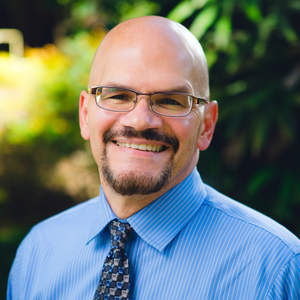
Timothy Muehlhoff
Tim Muehlhoff (Ph.D.) is the Senior Director of Biola’s Winsome Conviction Academy that seeks to reintroduce compassion and civility into our disagreements. He is the co-host of the Winsome Conviction Podcast where people with differing viewpoints are brought on for engaging dialogue. Tim has written extensively in the area of cultural engagement and conflict including I Beg to Differ, Winsome Persuasion, Winsome Conviction, and his newest book (co-written with Sean McDowell) is End the Stalemate: Move Past Cancel Culture to Meaningful Conversations.

Lucas Miles
Lucas Miles is a trusted voice in the American church who has consistently addressed some of the most challenging topics in theology, politics and culture. He hosts TPUSA Faith’s flagship podcast, Strong Church with Lucas Miles, focused on equipping believers to stand firm in biblical truth. Lucas has been syndicated in articles across both political and religious news outlets, such as Newsmax, The Blaze, FlashPoint, Fox News, The Washington Times, CBN, and The Christian Post. In addition to his latest book, The Pagan Threat: Confronting America’s Godless Uprising, Lucas is the author of the best-selling Woke Jesus: The False Messiah Destroying Christianity, the widely read The Christian Left: How Liberal Thought Has Hijacked the Church, and the critically acclaimed Good God: The One We Want to Believe in But Are Afraid to Embrace. An ordained minister since 2004, Lucas is the lead pastor of Nfluence Church in Granger, Indiana, the President of The Nfluence Network, and the VP of TPUSA and oversees TPUSA Faith.